Why Are Automatic Robots Revolutionizing Industries Today?
The rise of automatic robots is transforming industries at an unprecedented pace. According to a recent report from the International Federation of Robotics, the market for industrial robots is projected to grow by 13% annually through 2025. Companies like Amazon and Tesla are leading this surge, implementing automatic robots to enhance efficiency and reduce operational costs. As expert Dr. Emily Choi notes, “Automatic robots are not just machines; they are the future of competitive advantage in the marketplace.”
However, this revolution is not without its challenges. Many workers fear job displacement, raising crucial questions about workforce adaptation. While businesses enjoy significant productivity gains, societal implications deserve attention. A report by McKinsey states that up to 800 million jobs may be affected by automation by 2030. This can lead to a substantial workforce shift, making retraining programs essential for a balanced transition. The complex interplay between technological advancement and human labor demands reflection as we embrace a future heavily reliant on automatic robots.
As industries continue to innovate, the narratives surrounding automatic robots might overlook the necessary discussions on ethics and employment. Embracing these robots requires integrating a vision that considers both progress and the social fabric. The future undoubtedly belongs to automatic robots, but we must tread cautiously, ensuring that no one is left behind.
The Emergence of Automatic Robots in Modern Industries
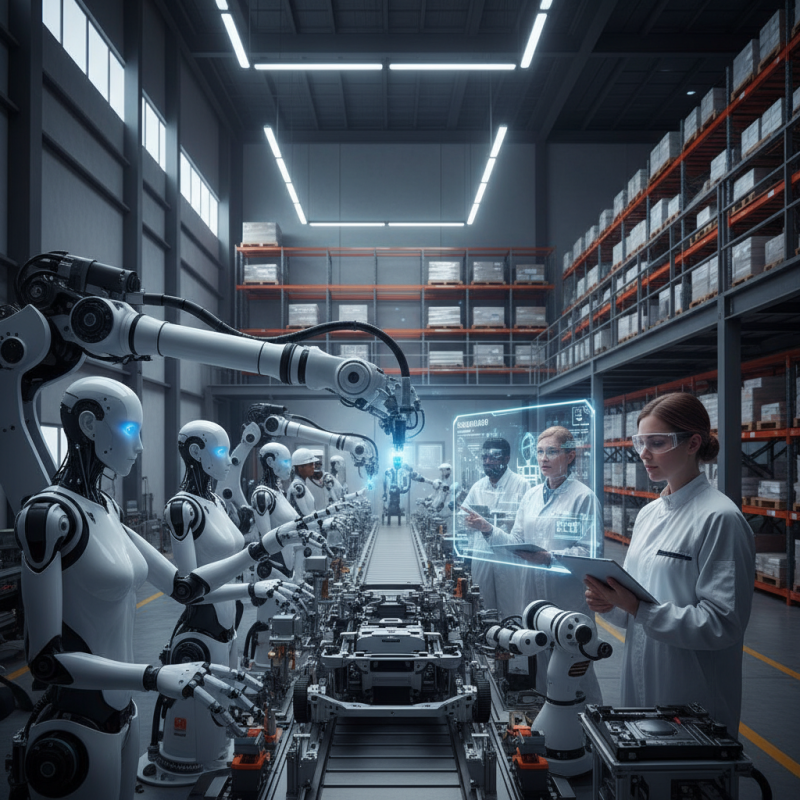
The emergence of automatic robots is reshaping modern industries in profound ways. Factories are now filled with intelligent machines that perform complex tasks. These robots deliver speed and efficiency, enhancing production rates significantly. A car assembly line, once reliant on human workers, now features robotic arms that assemble parts accurately and rapidly. However, this shift leads to a workforce that must adapt and reskill. Job displacement concerns persist, making it essential for workers to embrace continuous learning.
In sectors like healthcare, automatic robots assist in surgeries and patient care. They improve precision and reduce error rates. Yet, reliance on technology presents challenges. Patients may feel discomfort with machines performing sensitive tasks. Furthermore, programming errors can lead to serious outcomes. Industries must strike a balance between innovation and human oversight.
Despite the advantages, the integration of robots isn’t flawless. Maintenance and repairs can become costly and complex. Some industries find it hard to justify the initial investment. Moreover, there’s a fear of losing human touch in service-oriented fields. These issues require careful consideration as automatic robots become commonplace. It's crucial to reflect on how technology can best serve humanity.
Key Technologies Driving the Adoption of Automatic Robots
Automatic robots are at the forefront of industrial transformation. Their rise is fueled by several key technologies. One critical factor is artificial intelligence (AI). AI enhances robots’ ability to learn and adapt. This leads to improved efficiency and accuracy in tasks such as inventory management. According to a report by the International Federation of Robotics, the global stock of operational robots reached 3 million units in 2021, reflecting a growth rate of 12% annually.
Another significant driver is advanced sensors. These allow robots to perceive their environment better. They make real-time adjustments in operations, which minimizes errors. A McKinsey report highlights that automation can increase productivity by 30% in the manufacturing sector alone. However, the steep learning curve for some users can hinder widespread adoption. Many industries still grapple with integrating these technologies seamlessly.
Finally, collaboration between humans and robots is evolving. Cobots, or collaborative robots, work alongside people. They assist in tasks, enhancing productivity without replacing human workers outright. Despite this positive trend, there are challenges. Skill gaps in the workforce may prevent some firms from fully utilizing automation's potential. Continuous training and adaptation are essential for success in this rapidly changing landscape.
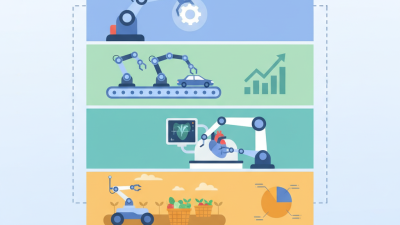
Adoption of Automatic Robots Across Industries (2023)
Impact of Automatic Robots on Production Efficiency and Cost Reduction
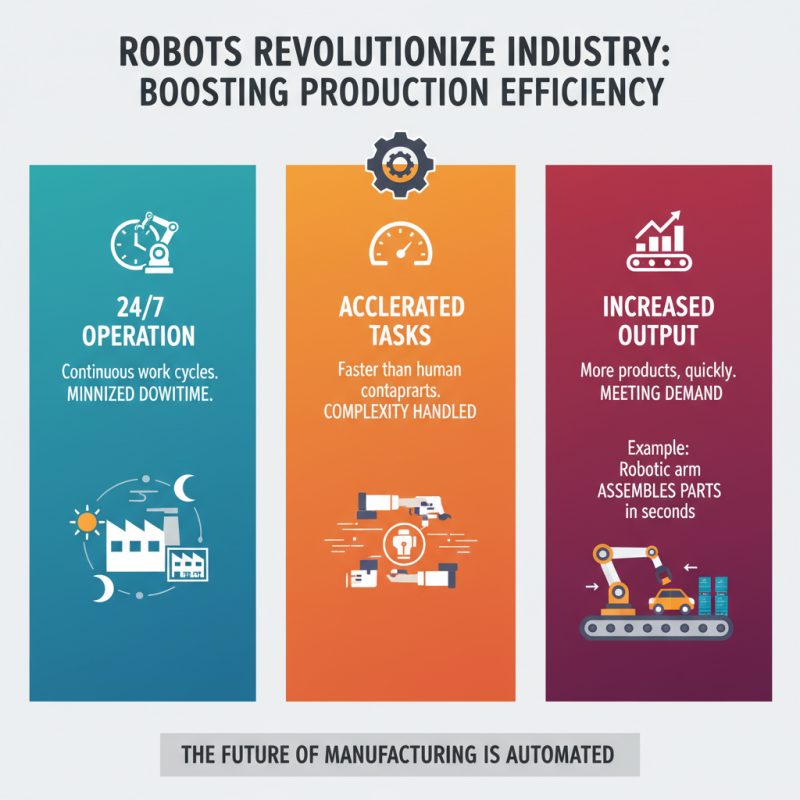
Automatic robots are transforming industries by enhancing production efficiency. These robots can operate around the clock, reducing downtime significantly. In manufacturing, they streamline processes, performing complex tasks faster than humans. This leads to a notable increase in output. For instance, a robotic arm can assemble parts in less time, ultimately meeting growing consumer demand.
Cost reduction is another crucial impact of automation. Robots minimize errors and waste, which can be costly. With precision and consistent performance, they lower the need for extensive quality checks. Labor costs also decrease, as companies can run operations with fewer workers. However, businesses face challenges in maintenance and potential job displacement.
Adopting robotic technology requires careful planning. Organizations must invest in training and re-skilling the workforce. Not every task can be automated, creating a blend of human and robotic roles. Striking this balance can lead to a more adaptable production environment. Nonetheless, the journey towards full automation brings both opportunities and uncertainties, raising essential questions for the future.
Challenges and Ethical Considerations in Robot Implementation
The rise of automatic robots in various industries brings numerous challenges and ethical considerations. Companies are eager to adopt this technology for efficiency. However, the integration of robots may displace many workers. Job loss creates economic stress for families. Communities must grapple with this transition. The gap between skilled and unskilled workers could widen.
Ethical concerns also arise from robotic decisions. Automated systems can inadvertently perpetuate biases present in their programming. For example, if a robot is programmed with flawed data, it may make unfair decisions. Transparency in these systems is critical. Companies must take accountability for robot actions. Safety measures need to be prioritized to protect users.
Furthermore, there’s the question of data privacy. Robots often collect vast amounts of user data. Without proper safeguards, this data could be misused. Addressing these ethical dilemmas is essential for a smooth transition. We must foster open discussions about the implications of robotics in our daily lives.
Future Prospects: The Next Innovations in Automation Technology
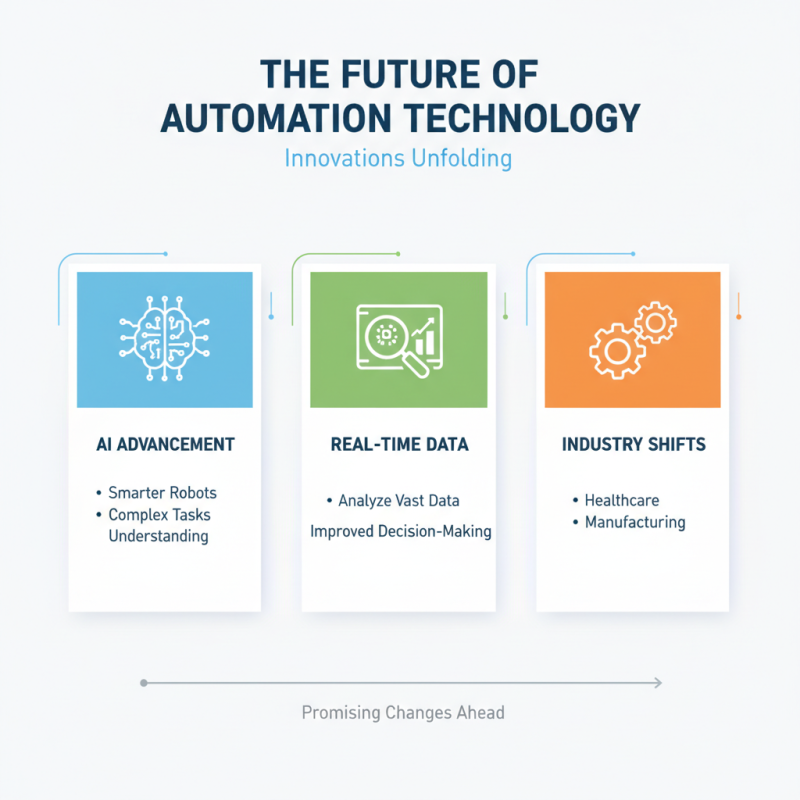
The future of automation technology looks promising, as innovations continue to unfold. One significant trend is the advancement in artificial intelligence. Robots are becoming smarter and more capable of understanding complex tasks. They can now analyze vast amounts of data in real-time, allowing for better decision-making. This shift may lead to significant changes in industries like healthcare and manufacturing.
Another exciting prospect is collaborative robots, or cobots. These machines work alongside humans, enhancing productivity while ensuring safety. They are designed to interact with workers, making the work environment more efficient. Yet, the integration of cobots raises questions. How will workers adapt to this new technology? Will there be a balance between human roles and automation?
We also see a rise in automation for small businesses. Many startups now utilize robotic systems to streamline their operations. This democratization of technology can level the playing field. However, are we considering the long-term impacts? It’s essential to reflect on how these tools will affect job markets and human skills as we move forward. The path to widespread automation is exciting, but it requires thoughtful navigation.