Top Benefits of Using a Pneumatic Winch for Your Projects?
The use of a Pneumatic Winch can greatly enhance the efficiency of various projects. This specialized equipment is designed to provide powerful lifting and pulling capabilities. Its unique mechanism relies on compressed air, making it more versatile than traditional winches. By integrating a Pneumatic Winch into your toolkit, you can tackle tasks that require precise control and significant force.
Consider the robustness of a Pneumatic Winch in construction environments. It can effortlessly lift heavy loads, saving time and reducing labor costs. The lightweight nature of these winches not only facilitates easy transportation but also minimizes strain on operators. This user-friendly design boosts productivity without sacrificing safety.
However, it's essential to recognize potential challenges. Maintenance requires attention to ensure optimal performance. Additionally, understanding the specific requirements of your project is crucial. While the advantages of a Pneumatic Winch are clear, effective use demands careful planning and execution. As you explore its benefits, consider how this tool can fit within your operational framework.
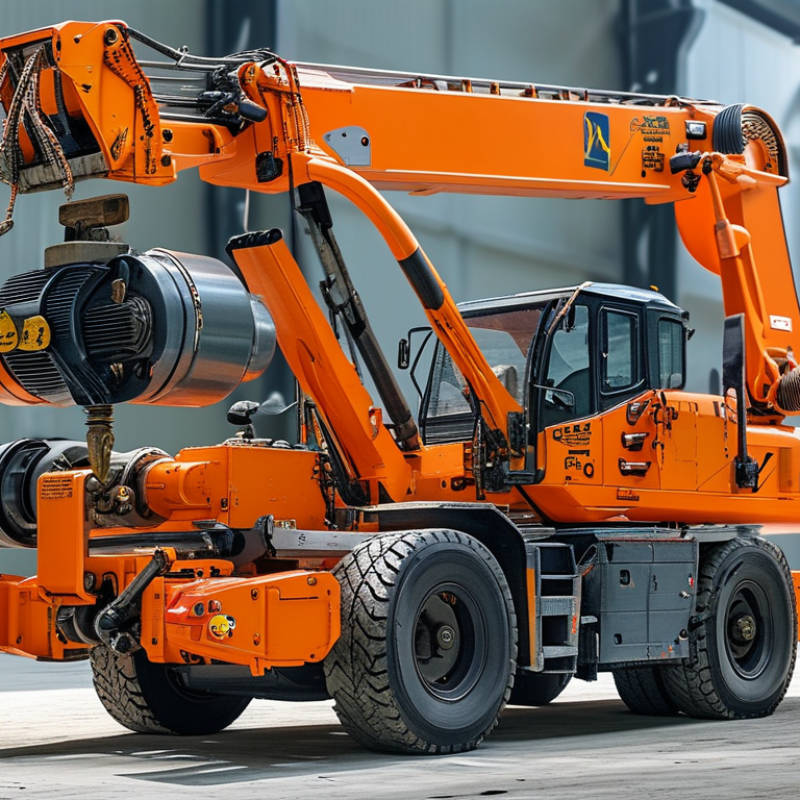
Advantages of Pneumatic Winches Over Traditional Options
Pneumatic winches are revolutionizing the lifting and pulling industry. Unlike traditional electric or manual winches, they rely on compressed air for operation. This unique mechanism offers significant advantages, especially in tough working environments. Reports indicate that pneumatic winches operate efficiently in extreme temperatures and hazardous areas, where electric winches might fail.
Durability is a key factor for any project. Pneumatic systems are generally more resistant to wear and tear. A study by the International Journal of Industrial Ergonomics shows that pneumatic winches have a lifespan that can exceed those of electric winches by up to 30%. This longevity reduces replacement costs over time, a crucial factor for large-scale operations.
Additionally, the weight-to-power ratio of pneumatic winches is a standout feature. They can lift heavy loads with less energy input. When comparing the two types, pneumatic winches typically require lower maintenance. However, ensuring proper air supply and regular checks is necessary. This can sometimes be overlooked, leading to inefficiencies. Ultimately, while pneumatic winches demonstrate clear benefits, the learning curve for operators is an area that requires attention.
Enhanced Efficiency and Speed in Lifting Operations
Pneumatic winches have revolutionized lifting operations in various industries. These devices offer notable enhancements in both efficiency and speed. The ability to lift heavy loads quickly means projects can progress without unnecessary delays. This efficiency translates into reduced labor costs and increased productivity on job sites.
In many projects, time is money. The rapid deployment of pneumatic winches means tasks are completed faster. Workers can focus on other critical aspects of the job. This shift enhances overall workflow. Moreover, the precise control provided by pneumatic systems allows for smoother lifting. It minimizes the risk of load swinging or dropping, reducing potential hazards.
However, operators must be trained to use these winches effectively. Understanding the limitations is crucial. Misuse can lead to accidents or equipment failure. Regular maintenance is also necessary to ensure optimal performance. Balancing efficiency with safety should always be a priority. This reflects a commitment to quality work in every project.
Safety Features and Reduced Risk of Injuries
Using a pneumatic winch can significantly enhance safety on job sites. It reduces the risk of injuries often associated with manual lifting. According to the Occupational Safety and Health Administration (OSHA), worker injuries related to manual handling account for approximately 30% of all workplace injuries. Pneumatic winches help mitigate this risk by providing mechanical assistance. They allow workers to lift heavy loads without straining their muscles.
The design of pneumatic winches includes safety features like automatic brakes and overload protection. These mechanisms prevent accidents by ensuring loads remain secure during operation. Additionally, pneumatic winches often have better control systems. This results in smoother lifting and lowering, reducing sudden movements that may lead to injuries.
Tip: Always inspect the pneumatic winch before use. Ensure all safety features are functional.
Implementing proper training for operators is crucial as well. Even the best equipment cannot guarantee safety if improperly used. Regular workshops on safe winch operation can decrease accidents. Prioritizing safety not only protects workers but also enhances overall project efficiency.
Versatility for Various Applications and Environments
Pneumatic winches are highly versatile tools for various applications and environments. They excel in industries like construction, marine, and manufacturing. Their adaptability allows them to function efficiently in both rigorous outdoor conditions and controlled indoor spaces. According to a recent industry report, pneumatic winches can handle loads up to 5 tons, making them suitable for heavy-duty tasks.
In construction, these winches simplify lifting and pulling operations. They can operate smoothly at high altitudes, often essential for building projects. In marine applications, pneumatic winches resist corrosion, ensuring reliability near saltwater. Their lightweight design enhances portability while providing significant power. However, proper maintenance is crucial. Neglected equipment can lead to performance issues.
Tip: Regularly inspect your pneumatic winch for wear and tear to maintain optimal performance.
The range of attachments available also enhances their versatility. From different hook types to customized cables, operators can adapt them as needed. Despite their many advantages, understanding the limitations is vital. For example, extreme temperatures can affect efficiency. Be sure to choose a winch that fits your specific project requirements.
Tip: Ensure that your winch is rated for the job to avoid excessive strain.
Maintenance and Durability Benefits of Pneumatic Winches
Pneumatic winches offer significant advantages in maintenance and durability. These winches use compressed air, which reduces wear and tear compared to electric models. They have fewer mechanical parts prone to failure. This simplicity can translate to less downtime when performing repairs.
The materials used in pneumatic winches contribute to their longevity. Typically, they are constructed from durable materials resistant to corrosion. Operators often find that regular checks on air filters and hoses keep these winches functioning optimally. Neglecting these simple tasks might lead to performance issues over time.
However, users should be aware of the limitations. Pneumatic winches may require specific air pressure levels for optimal performance. In areas lacking reliable air supply, their utility diminishes. Regularly monitoring air quality is also essential; contaminants can affect operation. This is a critical aspect often overlooked in maintenance routines. Reflecting on these factors can help ensure efficiency and prolong the life of pneumatic winches.