
What Is the Best Automatic Labeling Machine from China?

Choosing the best Automatic Labeling Machine from China is not simply a price comparison. It is a production decision involving accuracy, uptime, materials, service, and future growth. A machine may look impressive in a showroom, yet struggle with dusty bottles, uneven cartons, or labels stored in humid conditions. Small details matter. Very much.

David Luttenberger, Global Packaging Director at Mintel, has emphasized, “Packaging is a powerful tool for brands to communicate with consumers.” That principle also applies to industrial labeling. A crooked label can weaken shelf presentation, slow inspection, and create avoidable waste. The machine must therefore match the product, container shape, label material, adhesive, and line speed.

Chinese manufacturers offer many practical options. Some provide compact tabletop units for small workshops. Others build servo-driven systems for high-speed beverage, food, pharmaceutical, and cosmetic lines. The best choice depends on tested performance, not attractive specifications. Ask for sample labeling with your actual containers. Measure placement tolerance. Watch how operators adjust the sensor, reel, and conveyor.

A reliable supplier should explain maintenance clearly. It should provide wiring diagrams, spare-part lists, training, and responsive technical support. This is where buyers sometimes become too optimistic. The cheapest quotation may hide installation delays or difficult communication. My own concern is simple: no machine remains “automatic” when operators cannot troubleshoot it.

This guide examines Chinese Automatic Labeling Machine suppliers through a practical lens. It considers accuracy, construction, customization, compliance, service, and total ownership cost. The final answer may not be the most expensive machine. It should be the one that performs consistently on your real production floor.
What Is the Best Automatic Labeling Machine from China?

What Is an Automatic Labeling Machine and How Does It Work?

What Is the Best Automatic Labeling Machine from China?

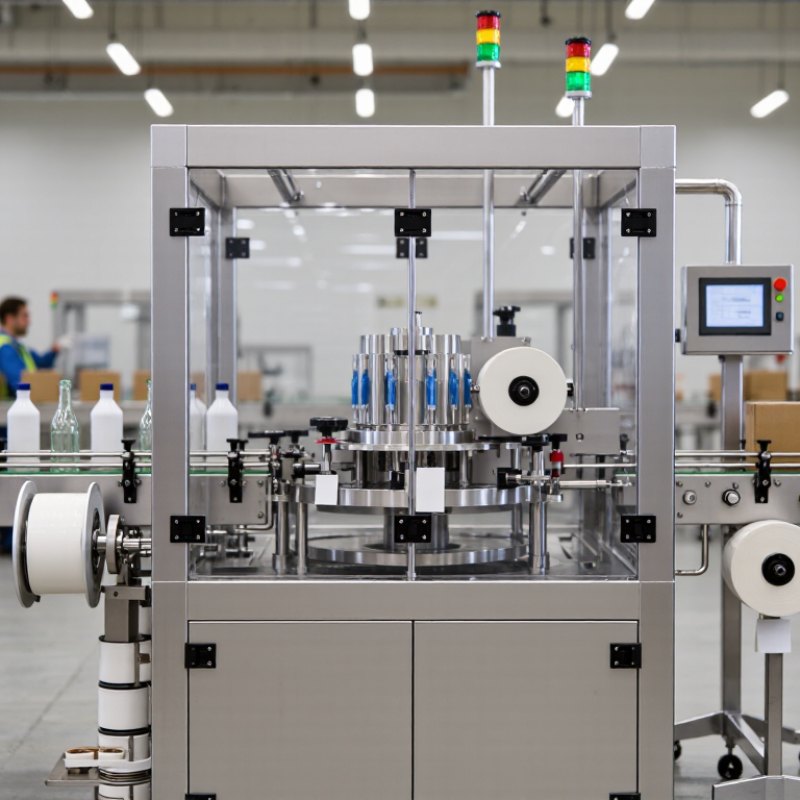
An automatic labeling machine applies adhesive labels to bottles, cartons, pouches, or other products without manual placement. A conveyor moves each item forward at a controlled speed. A sensor detects its position. The control system then releases one label at the correct moment. A pressure roller or brush smooths the label onto the surface.

The process is simple, but accuracy depends on several details. Label length, product spacing, conveyor speed, and surface material must match. Many machines use a PLC, photoelectric sensors, and servo motors for stable control. Some models also include label-break detection and missing-label alarms. MarketsandMarkets reported that the global labeling equipment market could grow from about USD 3.3 billion in 2023 to USD 4.5 billion by 2028. This growth reflects wider demand for faster and more traceable packaging operations.

Choosing equipment from China requires more than comparing prices. Request test videos using your actual containers and labels. Check application accuracy, changeover time, spare-part access, and operator training. In factory trials, transparent bottles and dusty surfaces often expose weaknesses. That part is easy to underestimate. A machine may perform well at 60 products per minute but struggle at 100. PMMI industry research also highlights automation, flexibility, and labor efficiency as major packaging priorities. These findings support a careful approach: verify performance under real conditions, not only on a specification sheet.

What Is the Best Automatic Labeling Machine from China?

Typical throughput by package type for automatic labeling equipment

An automatic labeling machine separates labels, applies adhesive or pressure-sensitive labels, positions each container with sensors, and verifies placement during continuous production. The chart shows representative operating speeds commonly used in automated packaging applications; actual output depends on container shape, label size, product handling, and line configuration.

Which Types of Automatic Labeling Machines Are Made in China?

Which Types of Automatic Labeling Machines Are Made in China?

China produces several automatic labeling machine types for bottles, cartons, pouches, jars, and shipping cases. Pressure-sensitive wraparound machines suit round containers. Top-and-bottom systems label flat cartons and trays. Front-and-back models place two labels accurately on rectangular products. Hot-melt and sleeve labeling machines serve high-speed beverage and personal-care lines. Chinese manufacturers also make rotary, linear, and modular units, allowing different production speeds and layouts.

The market is becoming more automated.

The International Federation of Robotics reported 276,288 industrial robots installed in China during 2023, representing about 51% of global installations. This wider automation base supports better servo control, vision inspection, and conveyor integration in labeling equipment.

Industry market studies from Mordor Intelligence also forecast continued growth in automatic labeling equipment through this decade. However, capacity figures can vary between reports. Buyers should check the original methodology.

Tips:

Match the machine to container shape, label material, adhesive, and hourly output.

Ask for test runs using your real containers.

Confirm label tolerance, changeover time, cleaning access, and spare-part availability.

A machine rated for 200 products per minute may perform slower with unstable bottles or dusty packaging.

That detail is easy to miss.

Request factory acceptance records, wiring diagrams, and operator training.

Cheap equipment can become expensive after repeated adjustments.

What Features Define the Best Chinese Labeling Machine?

What Is the Best Automatic Labeling Machine from China?

The best Chinese labeling machine is defined by stable performance, not a low purchase price. It should handle bottles, cartons, or pouches with accurate placement. A practical target is ±1 mm positioning accuracy, although real results depend on material, speed, and container shape.

Servo-driven feeding, automatic tension control, and vision inspection improve consistency. Stainless-steel construction also helps in dusty or humid production areas.

PMMI’s 2023 Packaging Machinery Shipments Report valued North American shipments at 10.2 billion dollars in 2022, an 11.2% increase. This growth reflects stronger demand for automation and dependable output. A capable machine should therefore offer quick changeovers, recipe storage, clear fault messages, and remote technical support. It should also provide documented factory testing.

In my experience, a fast machine can still disappoint when operators need too long to adjust it. No machine is perfect. That part deserves honest testing.

Tips: Request sample labeling before payment. Test your actual containers and labels at the promised speed. Check label waste, restart behavior, sensor stability, and cleaning access. Ask for electrical drawings, spare-parts lists, training materials, and a recorded acceptance test. Independent inspection is useful, especially when communication becomes unclear. The best supplier explains limits, not only advantages.

How to Compare Chinese Labeling Machines for Different Products?

What Is the Best Automatic Labeling Machine from China?

How to Compare Chinese Labeling Machines for Different Products?

The best machine depends on the product, not its country of origin. A round bottle needs a wraparound labeling system. A flat carton requires front, back, or top labeling. Pouches may need gentle handling and accurate registration. During factory trials, I check container stability, label tension, adhesive performance, and changeover time. Small details matter.

Speed should never be judged alone. Ask for tested output using your real containers and labels. Grand View Research reported that the global labeling machine market reached about USD 3.1 billion in 2023, with continued growth expected through 2030. This demand reflects wider automation needs. PMMI industry reports also identify flexibility, labor reduction, and production efficiency as major packaging investment drivers.

Request a sample run before approving the machine. Measure placement accuracy across at least 100 products. Check whether sensors detect transparent labels, dark packages, or uneven surfaces. Review servo control, PLC access, emergency protection, and reject functions. Confirm cleaning access for dusty or liquid-processing environments. A low quotation can mislead. Spare parts, remote support, installation, and operator training affect the real cost. Some suppliers promise impressive speed, but their figures may exclude acceleration, manual loading, or frequent adjustments. That deserves careful questioning.

What Is the Best Automatic Labeling Machine from China? — How to Compare Chinese Labeling Machines for Different Products?
Machine Configuration Best Product Types Container Shape and Material Typical Production Speed Typical Labeling Accuracy Common Label Position Typical Container Size Range Main Advantages Key Selection Considerations
Round-Bottle Wrap-Around Labeler Bottles, jars, cans, tubes and other cylindrical products Round rigid containers made from PET, HDPE, glass, metal or similar materials Approximately 40–200 products per minute, depending on container diameter, label size and product spacing Typically ±1 mm to ±2 mm under stable operating conditions One label wrapped around the circumference; optional partial-wrap or full-wrap application Approximately 20–150 mm in diameter; product height commonly 30–300 mm Simple product handling, broad application range and efficient continuous labeling Check container roundness, surface finish, label overlap requirements and product stability during conveying
Front-and-Back Labeler Rectangular, oval and flat-sided bottles used for food, chemicals, cosmetics and household products Rigid plastic, glass or metal containers with two identifiable labeling faces Approximately 30–120 products per minute, depending on container geometry and alignment method Typically ±1 mm to ±2 mm when containers are properly oriented One label on the front and one on the back, or labels on two opposing sides Approximately 30–200 mm wide and 50–300 mm high Suitable for two-sided product information and professional package presentation Requires reliable container orientation, consistent spacing and accurate control of label-to-label alignment
Top-Side Labeler Boxes, cartons, trays, pouches, lids, bags and flat packaged products Cardboard, plastic, film, foil or other relatively flat surfaces Approximately 30–150 products per minute, depending on product size and conveyor arrangement Typically ±1 mm to ±2 mm Top surface, upper side, lid or another horizontal plane Product widths commonly 30–400 mm; label widths commonly 20–200 mm Flexible placement and easy integration with packing, weighing or inspection lines Evaluate surface flatness, product spacing, conveyor speed and whether products overlap or rotate during transport
Front, Back and Side Panel Labeler Rectangular containers, cartons and products requiring three or more label panels Rigid containers with defined front, back and side surfaces Approximately 20–80 products per minute, depending on the number of labeling heads and alignment requirements Typically ±1.5 mm to ±3 mm Front, back and one or both side panels Approximately 40–250 mm wide and 60–350 mm high Can apply multiple labels in one pass and supports detailed regulatory or marketing information Confirm panel dimensions, corner radius, label sequence, product orientation and clearance between applicator heads
Rotary High-Speed Labeler Large-volume beverage, food, pharmaceutical and personal-care production Primarily rigid round or regularly shaped containers Approximately 100–600 products per minute, depending on the rotary design, label technology and container format Typically ±0.5 mm to ±1.5 mm under controlled conditions Wrap-around, front-and-back or multiple-position labeling Commonly 25–120 mm in diameter; product height commonly 50–350 mm High throughput, smooth product handling and consistent spacing at continuous production rates Best suited to stable, high-volume production; requires careful changeover planning and accurate container infeed
Horizontal Roll-On Labeler Small cylindrical products that cannot stand vertically, such as ampoules, vials, cartridges and small tubes Small glass or plastic cylindrical products handled horizontally Approximately 60–300 products per minute, depending on product dimensions and inspection requirements Typically ±0.5 mm to ±1.5 mm Wrap-around labeling along the circumference Approximately 8–35 mm in diameter and 20–200 mm in length Reduces product tipping and supports accurate labeling of narrow or unstable containers Check product diameter tolerance, label stiffness, product gap control and compatibility with downstream inspection equipment
Tamper-Evident Seal Applicator Jars, boxes, cosmetic containers, food containers and pharmaceutical packs requiring security seals Rigid containers with lids, caps or hinged closures Approximately 20–120 products per minute, depending on seal design and application position Typically ±1 mm to ±2 mm Across the lid-to-container joint, cap, neck or opening area Container widths commonly 25–250 mm; seal lengths commonly 30–200 mm Provides visible evidence of opening and supports product safety and tamper control Verify closure design, seal adhesion, surface cleanliness, seal width and the required opening force
Print-and-Apply Labeling System Shipping cartons, pallets, logistics packages and products requiring variable data Corrugated cardboard, plastic cases, stretch film and other printable surfaces Approximately 10–60 labels per minute, depending on print content, label size and verification requirements Typically ±2 mm to ±5 mm, depending on package position and applicator type Top, side, front or multiple faces of a package Label widths commonly 50–150 mm; label lengths commonly 50–250 mm Prints barcodes, serial numbers, batch information and shipping data at the point of application Assess database connectivity, barcode quality, print resolution, package variability and label adhesion
Special-Shape or Unstable-Product Labeler Irregular bottles, flexible pouches, oval containers and products with limited stable contact areas Flexible film, soft plastic, irregular rigid containers or products with non-uniform surfaces Approximately 15–80 products per minute, depending on product handling and custom tooling Typically ±2 mm to ±4 mm Front, back, side, top or a defined curved area Highly application-specific; commonly 30–300 mm in product width or height Can be adapted to challenging product geometries and specialized packaging formats Product samples and actual labels should be tested because vacuum, belts, rollers and tooling must match the package design
The performance figures above are typical industry ranges for automatic labeling equipment and are intended for preliminary comparison. Actual speed and accuracy depend on product dimensions, label material, adhesive type, container tolerance, conveyor configuration, machine adjustment, operator skill and line integration. Always request a sample test using the actual products and labels before purchasing.

How to Choose a Reliable Automatic Labeling Machine Supplier in China?

What Is the Best Automatic Labeling Machine from China?

How to Choose a Reliable Automatic Labeling Machine Supplier in China?

Choosing a reliable automatic labeling machine supplier in China requires more than comparing prices. Real production evidence matters. Ask for factory videos, machine specifications, and recent customer references. A professional supplier should explain labeling speed, product tolerance, label dimensions, and changeover time clearly. Vague promises deserve caution. The cheapest quotation may hide weak sensors, limited testing, or expensive spare parts.

Request samples using your actual bottles, cartons, or containers. Watch the machine apply labels at normal production speed. Check alignment, wrinkles, adhesion, and rejected products. Ask how the system handles different shapes and minor size variations. A dependable supplier should provide a written test report. It should also identify materials that may affect performance, such as dusty surfaces or uneven packaging.

Service quality often decides the purchase. Confirm installation support, operator training, response times, warranty coverage, and spare-parts availability. Review electrical documents and safety information before payment. Factory audits, video inspections, and third-party quality checks can reduce uncertainty. Small details matter.

Some buyers focus too heavily on automation features. I have seen this approach create avoidable maintenance problems. A simpler machine may perform better when local technicians need quick access. Supplier communication also deserves testing: send detailed questions and compare the answers. If specifications change repeatedly, reconsider the relationship. Even a careful checklist can miss something, so keep acceptance standards measurable and written.

Login