How to Choose the Right PTO Mower Hydraulic System?
Choosing the right Pto Mower Hydraulic system is crucial for optimal performance and efficiency. According to industry reports, approximately 25% of mower failures are linked to hydraulic system issues. Understanding how PTO mower hydraulic systems operate can dramatically improve maintenance strategies. A well-chosen hydraulic system ensures reliability, which is vital for landscaping and agricultural operations.
Professional landscapers value efficiency and precision. Mowers equipped with superior PTO hydraulic systems can adjust cutting heights and manage terrain changes effectively. This adaptability is essential, given that nearly 40% of users report difficulties in handling uneven ground. Manufacturers advocate for systems that balance power and responsiveness to enhance user experience.
However, selecting the ideal system poses challenges. There is a wide range of options, and not all may suit specific needs. Misalignment in system specifications can lead to inefficiencies. The goal should always be to match the mower's capacity with the right hydraulic performance. Careful consideration of these factors will inform a reliable choice.
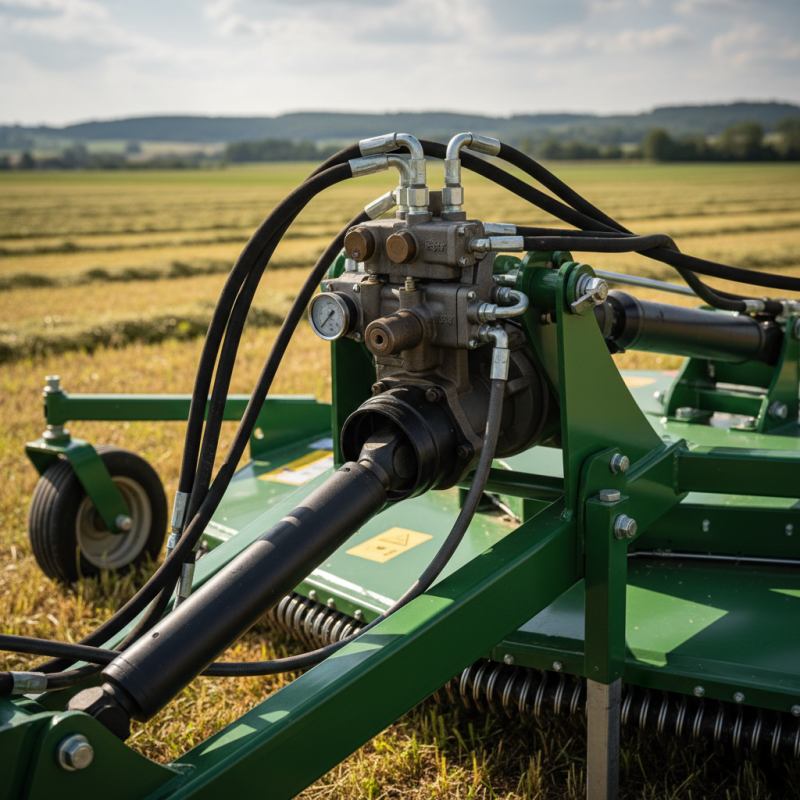
Understanding PTO Mowers and Their Hydraulic Systems
PTO mowers are essential tools in agriculture and landscaping. They utilize power take-off (PTO) systems to drive various attachments. The hydraulic system, a crucial component, provides power for lifting and angling the mower. Understanding how these systems function enhances the effectiveness of your mowing operations.
Hydraulic systems operate using fluid mechanics. This principle allows the mower to maneuver with precision, making it efficient in rough terrains. Reports suggest that hydraulic-driven mowers can reduce operational costs by up to 20% due to lower maintenance and fuel consumption. Efficiency in fluid management is key. Thus, selecting the right hydraulic fluid is vital. Check specifications for temperature and viscosity to ensure optimal performance.
Tip: Regularly inspect hydraulic lines for leaks. Small problems can quickly escalate. Maintaining proper fluid levels not only extends the life of your mower but also enhances productivity.
Choosing the right hydraulic system can feel overwhelming. Consider the size of your mower and the type of terrain you'll be working on. Mowers with higher horsepower may require more robust hydraulic systems. Matching the system with your specific needs ensures smooth operation. Seeking advice from experts can provide clarity. It’s essential to reflect on your unique requirements before making investment decisions.
Key Factors to Consider When Selecting a Hydraulic System
Choosing the right PTO mower hydraulic system requires careful consideration of several key factors. One crucial aspect is the flow rate, which is essential for efficient operation. A system with the wrong flow rate may not deliver optimal performance, leading to reduced productivity. Ensuring the hydraulic system matches the mower's requirements can help prevent issues during operation.
Another significant factor is the pressure rating of the hydraulic components. Mismatched pressure levels can cause catastrophic failures. For instance, if the system cannot handle the mower's demands, it might lead to leaks or even bursts. It's vital to assess the working conditions and select components that are robust enough to endure them.
Cost is an undeniable consideration but should not be the sole focus. While saving money is important, investing in a reliable hydraulic system can ultimately lead to better performance and durability. A poor choice may result in higher long-term costs due to frequent repairs or replacements. It’s worth analyzing the trade-offs and long-term benefits of each option to make an educated decision.
Types of Hydraulic Systems Compatible with PTO Mowers
When selecting a hydraulic system for a PTO mower, understanding the types available is crucial. Generally, there are two main categories: open-center and closed-center hydraulic systems. Open-center systems are often more common and are cost-effective. They allow fluid to circulate continuously, which can be beneficial for certain applications. However, they may not deliver optimal performance under heavy loads. Conversely, closed-center systems provide better efficiency and power consistency. Reports indicate that they are more reliable for heavy-duty tasks, with efficiency rates up to 90% in ideal conditions.
Besides system types, consider the specifications of the hydraulic components. For instance, the pump capacities are vital. Systems with variable displacement pumps can adapt to different tasks, which is a significant advantage. According to industry research, proper sizing of hydraulic hoses and fittings is essential for efficiency. Undersized components can lead to pressure drops, impacting performance adversely. There’s a fine line between adequate power and excess, which can cause wear over time.
It’s also important to evaluate the ease of maintenance. Some systems require more frequent servicing, affecting overall reliability. A survey indicates that over 30% of users report issues related to inadequate maintenance schedules. Understanding this aspect helps in making more informed choices. Adjustments in components might seem minor but can yield significant improvements in function and longevity.
Assessing the Power Requirements for Your Mowing Needs
Choosing the right PTO mower hydraulic system starts with understanding your power requirements. Each lawn and field has unique demands. Assessing those needs involves considering the size of the area you mow. A larger space requires more power to maintain efficiency. You don’t want to struggle with underpowered equipment.
Think about the type of terrain as well. Hilly or uneven ground increases resistance. A strong hydraulic system can handle these challenges. Also, consider the mowing frequency. Daily use may warrant a more robust system than occasional use. It can be tempting to go for the most powerful option, but that isn’t always necessary. An oversized system can lead to wasted resources and increased maintenance needs.
Evaluate the attachments you plan to use, too. Different implements have varying power requirements. It’s essential to match the PTO mower capabilities with these needs. Sometimes, users find themselves overwhelmed with options. Taking a step back and analyzing specifics can help clarify the best choice. Consider seeking advice from professionals who have experience in this area. Their insights can guide you to a more informed decision.
Power Requirements for Different Mowing Needs
Maintenance Tips for Optimal Hydraulic System Performance
Maintaining the hydraulic system of your PTO mower is crucial. Regular checks can prevent downtime and costly repairs. Inspect hoses for any signs of wear or damage. Leaks can lead to decreased performance and even safety hazards. Replace damaged components immediately to avoid malfunction during operation.
Fluid quality plays a significant role in system health. Keep an eye on the hydraulic fluid's clarity and level. Contaminated fluid can cause severe issues. Change the fluid according to the manufacturer’s guidelines. This simple step helps to ensure optimal performance and longevity.
Temperature management is also vital. Overheating can stress components. If you notice unusual heat, assess the cooling system. Regularly clean any debris that may block airflow. Hydraulics operate under significant pressure, and handling these systems with care pays off. Remember, a little maintenance can save you a lot of trouble down the road.