
7 Tips for Choosing the Best Cordless LED Desk Light

Choosing the right Cordless Led Desk Light is not simply about picking the brightest model. A useful light must fit your desk, working habits, eyesight, and charging routine. It should illuminate paperwork without creating sharp reflections on a laptop screen. It should also remain stable when you move it beside a sofa, bed, or kitchen table.

Lighting researcher Dr. Mariana Figueiro has said, “Light is the most powerful synchronizer of the circadian system.” That reminder matters. Color temperature, brightness, and evening use can influence comfort and daily rhythms. However, no lamp works perfectly for every person or room. A cool white setting may help detailed daytime tasks, while warmer light can feel gentler at night. Personal response still varies.

This guide examines seven practical points before you buy. They include battery capacity, charging options, brightness control, color temperature, beam direction, portability, and build quality. Look for a lamp that provides steady illumination, not just impressive specifications. Check whether its controls are easy to reach with one hand. Feel the hinge and base if possible. Cheap plastic may loosen after repeated adjustment. That detail is easy to miss.

Think about real use. Will the lamp last through a three-hour study session? Can you recharge it without removing a heavy base? Does its lowest setting remain comfortable in a dark bedroom? Small weaknesses become annoying quickly. A Cordless Led Desk Light should reduce clutter, not create another device to manage. These tips will help you compare features carefully, while leaving room for honest judgment and individual needs.
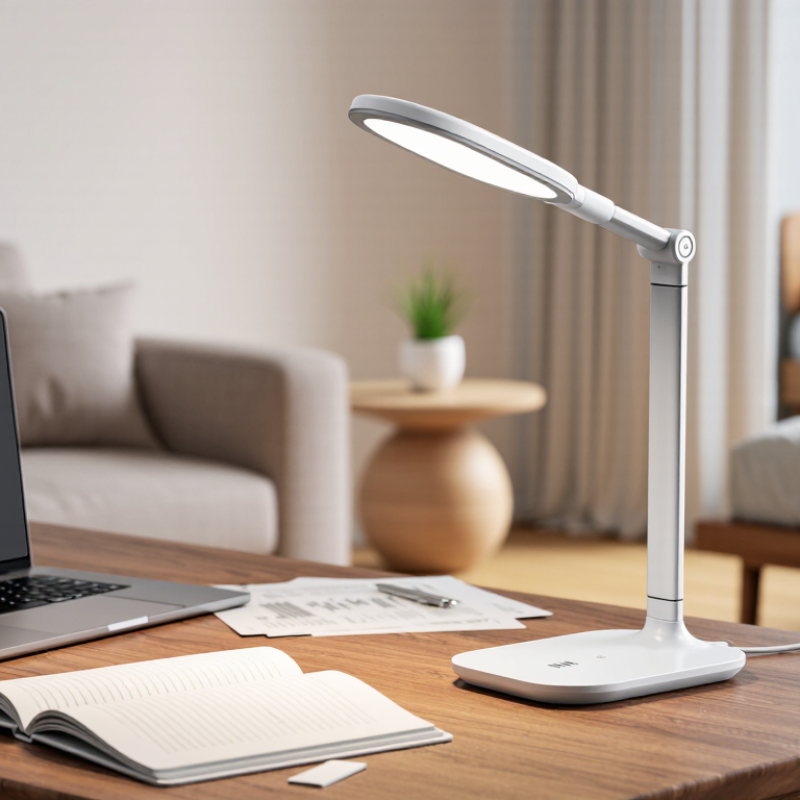
7 Tips for Choosing the Best Cordless LED Desk Light

Understanding Cordless LED Desk Light Features and Uses

7 Tips for Choosing the Best Cordless LED Desk Light

Understanding Cordless LED Desk Light Features and Uses

A cordless LED desk light should match your routine, not just your desk. Check brightness first. A reading setup often needs adjustable output, while bedside use benefits from softer light. Choose a model with multiple color temperatures. Cooler light can support detailed work, while warmer light feels gentler at night. Check the color rendering index, or CRI, especially for drawing, makeup, or crafts. A CRI of 90 or higher usually shows colors more naturally. My first lamp looked bright, but its colors felt dull.

Battery performance matters more than marketing claims. Compare rated runtime at medium brightness, not only the lowest setting. Confirm charging time, battery replacement options, and whether the lamp works while charging. A stable base and adjustable arm prevent annoying movement during writing. Check the base. Small details matter.

Glare control also deserves attention; a shaded LED panel should not shine directly into your eyes. The U.S. Department of Energy reports that LEDs use at least 75% less energy and last up to 25 times longer than incandescent lighting. That supports lower operating demand, but cordless products still require responsible charging habits.

For shared rooms, choose quiet controls and a memory function. For travel, prioritize folding parts and a protected charging port. I would also inspect hinge strength before buying. A perfect specification sheet cannot reveal every weak joint. Measure your desk, test the light angle, and question exaggerated runtime promises. Not always. Hands-on testing remains useful.

Choosing the Right Brightness, Color Temperature, and Light Modes

A cordless LED desk light should match your work, not simply look bright. Check lumens before choosing. Around 400–600 lumens suits reading, writing, and ordinary computer tasks. Higher output helps detailed crafts, but excessive brightness can cause eye strain. Place the light beside your dominant hand to reduce shadows. A diffuser also softens harsh reflections on paper.

Color temperature changes the room’s feeling and your visual comfort. Warm light near 2700–3000K feels relaxed and works well for evening reading. Neutral light around 3500–4000K usually supports paperwork without looking too blue. Cooler light above 5000K can improve contrast for detailed tasks, though it may feel unpleasant at night. Look for a high color rendering index, preferably 80 or above. For art, fabric, or color-sensitive work, a higher rating matters more.

Useful light modes should offer real control, not decorative buttons. Choose separate brightness and color-temperature settings if possible. A gradual dimming function is better than three sudden levels. Test the lowest setting in a dark room. It should remain comfortable, not flicker visibly. I once chose a lamp with impressive output but ignored its narrow beam; the bright center tired my eyes quickly. Battery life also changes with brightness, so treat advertised hours carefully. My own preference has shifted toward moderate brightness and a wider beam, even when the lamp looks less powerful.

Comparing Battery Life, Charging Options, and Wireless Convenience

7 Tips for Choosing the Best Cordless LED Desk Light

Battery life matters more than a bright box claim. The U.S. Department of Energy reports that LED lighting uses up to 75% less energy and lasts up to 25 times longer than incandescent lighting. However, a cordless lamp still depends on battery capacity, brightness, and wireless controls. Test runtime at your normal setting, not only at the lowest brightness. Eight hours may become four when reading beside a windowless desk. Keep the figures realistic.

Charging options also affect daily convenience. USB-C charging is usually practical, but cable quality and power support can differ. The USB Implementers Forum specifies several USB-C power capabilities, so check the included charger and cable requirements. A lamp with a replaceable charging cable is easier to maintain. Some models support charging while operating, while others shut off during charging. That small detail becomes annoying during late work.

I once trusted the highest runtime number. The test was too kind. Now, I check three details: charging time, standby drain, and battery replacement access. A lithium-ion battery may lose capacity over repeated cycles, especially under heat. Avoid placing the lamp beside a radiator or in direct afternoon sun. Look for clear capacity information in watt-hours or milliamp-hours. If the specification only says “long-lasting,” be cautious. Convenience is useful, but measurable performance is safer.

7 Tips for Choosing the Best Cordless LED Desk Light

Compare typical cordless desk-light performance by battery runtime, USB charging time, and wireless operating time. Longer runtime and shorter charging time generally provide greater convenience for daily use.

Values represent typical ranges for rechargeable LED desk lights and may vary by brightness level, battery capacity, and charging method.

Evaluating Design, Adjustability, Stability, and Workspace Fit

7 Tips for Choosing the Best Cordless LED Desk Light
Tip 1:
Inspect the design before admiring its brightness. A slim lamp suits narrow desks, while a broader base needs more surface space.
Tip 2:
Check adjustability carefully. The arm should move smoothly and hold its position above your notebook. A loose hinge becomes irritating quickly.
Tip 3:
Test the light direction. It should illuminate your work without shining directly into your eyes or creating harsh screen reflections.
Tip 4:
Evaluate stability on your actual workspace. Tap the desk lightly and watch for wobbling. I once chose a lightweight model for easy movement, but it shifted whenever I wrote quickly. That was my mistake.
Tip 5:
Consider cordless practicality. Confirm how long the battery lasts during your normal study or work session. Charging access matters too. A lamp that needs frequent charging may become inconvenient, even when its design looks excellent.
Tip 6:
Match the lamp to your workspace fit. Measure the desk depth, monitor position, and available storage area first. The best light should support your routine, not compete with it.
Tip 7:
Examine brightness controls and color settings. Warm light can feel comfortable during evening reading, while cooler light may help detailed daytime tasks. However, personal comfort varies. I would test both settings before deciding, because specifications cannot fully predict how your eyes will respond.

Checking Safety, Durability, and Overall Value Before Buying

7 Tips for Choosing the Best Cordless LED Desk Light

Safety deserves more attention than brightness. Check for a stable base that does not slide when you adjust the arm. The charging port should feel firm, with no exposed wires or loose plastic. Look for overcharge, overheating, and short-circuit protection. A warm lamp may be normal. A hot battery is not. Keep it away from paper stacks and curtains.

Durability often appears in small details. Move the hinge several times before buying, and notice grinding, wobbling, or sudden resistance. A matte surface can hide scratches better than glossy plastic. The light should remain steady at its lowest setting. Check the battery’s expected cycle life, charging time, and replacement options. Test the touch controls with dry fingers. They can be unreliable near spilled water.

Value is more than the lowest price. Compare usable brightness, battery capacity, warranty length, and repair support. A lamp that lasts five hours may suit short study sessions, but not a full workday. I once focused too much on brightness and ignored a weak hinge. That was a costly mistake. Read recent user reports, but treat dramatic praise or complaints carefully. Some details need personal checking.

7 Tips for Choosing the Best Cordless LED Desk Light - Checking Safety, Durability, and Overall Value Before Buying

Tip Buying Priority What to Check Practical Benchmark Warning Signs Value Score
1 Verify Electrical Safety Look for clear electrical ratings, charger information, battery protection, and independent safety testing appropriate to the sales region. The product should state input voltage, battery specifications, charging requirements, and protection against overcharging, overheating, and short circuits. No safety documentation, missing charger details, exposed wiring, excessive heat, or vague claims such as “fully safe” without supporting information. ★★★★★
2 Assess Battery Performance Compare battery capacity, charging time, operating time at different brightness levels, and whether the battery can be replaced. For regular desk use, a practical target is about 6–12 hours of operation on a moderate setting, with charging generally completed within 3–5 hours. Runtime is listed only at the lowest brightness, charging takes unusually long, or battery capacity is not disclosed. ★★★★★
3 Check Light Quality Review brightness control, color temperature, color rendering, beam coverage, and visible flicker during reading or computer work. A useful desk lamp typically offers adjustable brightness, approximately 2700–6500 K color-temperature options, and a CRI of 80 or higher. Only one harsh color setting, uneven illumination, distracting glare, visible pulsing, or no information about brightness and color rendering. ★★★★★
4 Inspect Build Quality Examine the base, hinges, shade, charging port, buttons, cable, and the stability of the lamp when adjusted. Choose a weighted, non-slip base; firm adjustment points; smooth hinges; and a housing that remains stable without wobbling. Loose joints, sharp edges, a tipping base, rattling parts, fragile charging connections, or plastic that becomes excessively hot. ★★★★☆
5 Evaluate Portability Consider weight, folded size, cordless operation, charging compatibility, and whether the lamp remains stable away from a wall outlet. A portable model should be easy to carry with one hand, have a stable footprint, and use a widely available charging connection where possible. The lamp is marketed as cordless but works only briefly without power, has a proprietary cable, or is too light to remain stable. ★★★★☆
6 Review Controls and Comfort Test touch or physical controls, dimming accuracy, memory settings, glare control, and the lamp’s suitability for reading or screen-based work. Controls should respond consistently, allow gradual brightness changes, and be usable without moving the lamp or interrupting work. Controls activate accidentally, brightness jumps abruptly, the light shines directly into the eyes, or settings reset after every use. ★★★★☆
7 Calculate Overall Value Compare total cost with battery quality, LED lifespan, warranty coverage, replacement options, energy use, and everyday usability. Prefer transparent specifications, a written warranty, accessible replacement parts or cables, and efficient LED operation over decorative extras. A low purchase price hides a short warranty, non-replaceable failure-prone parts, poor runtime, or missing technical specifications. ★★★★★
Quick buying rule: Prioritize documented electrical safety, dependable battery runtime, comfortable light quality, and solid construction before considering appearance or extra features.

Login