
Choosing the right electric fuel pump starts with the engine’s actual needs, not the largest flow rating on a product box. Electric Fuel Pumps must deliver suitable pressure and volume across the vehicle’s operating range. A pump that cannot keep pace may contribute to fuel starvation. An oversized or mismatched unit can create fitment, control, or noise problems. The details matter. Check the vehicle’s year, engine, fuel type, and original pump specifications before comparing replacements. Then verify pressure, flow, electrical connections, mounting style, and regulator compatibility against reliable manufacturer data.
Automotive engineer and technical author Charles O. Probst is known for his work on fuel injection and engine management. Drawing on that systems-focused approach, this guide uses a practical selection principle: “Match pressure, flow, and controls to the engine—not just the pump label.” Treat that as a guiding summary, not a verbatim quotation. A catalog match is useful, but it cannot replace checking the vehicle’s service information. A real-world detail helps: inspect the connector, measure available space, and confirm whether the pump sits inside the tank. Small mismatches can turn a simple replacement into extra work. Some specifications are unclear. Pause and verify them. The following outline will help readers compare pump types, interpret ratings, avoid common fitment mistakes, and choose a dependable option with greater confidence. It also leaves room for reflection: the “best” pump is not always the most powerful one. It is the one that meets documented requirements consistently.
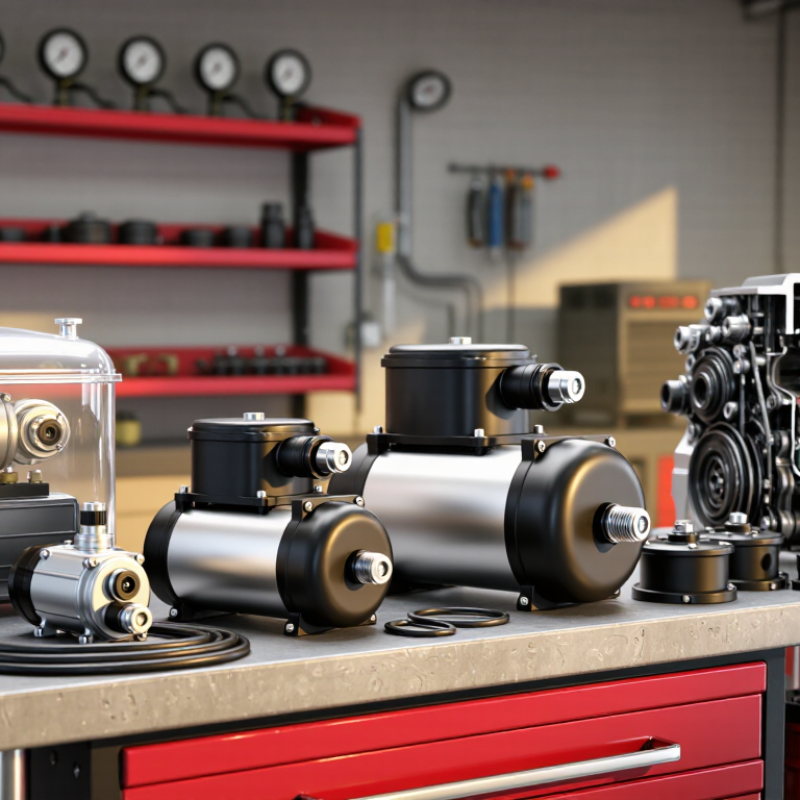
Choosing an electric fuel pump starts with identifying the system it must serve. Port fuel injection often operates between 30 and 80 psi, but that range is only a guide. The correct pressure comes from the vehicle’s OEM specification, not from a general chart. Check the service information for pressure at the fuel rail and note whether the regulator is vacuum-referenced. Small details matter.
Do not confuse port injection with direct injection. Direct-injection systems require much higher pressures and use different pumping arrangements. For a port EFI setup, match the pump’s operating pressure and fuel-flow capacity to the engine’s needs. A pump may show adequate flow on paper yet deliver less when pressure rises or voltage drops. Check the pump’s performance data at the required pressure, not just its free-flow rating.
Measure pressure with a suitable gauge and follow the vehicle’s test procedure. Confirm wiring, grounds, filters, and regulator condition before blaming the pump. A weak electrical supply can look like a failing pump. I would be cautious about relying on one pressure reading; temperature, load, and regulator behavior can change the result. Verify the OEM target under the specified test conditions.
Estimate fuel demand from engine horsepower, not from a pump’s free-flow rating. For gasoline, a practical starting point is 0.50 lb of fuel per horsepower per hour. A 500-hp engine therefore needs about 250 lb/hr. Using gasoline at roughly 6.1 lb per US gallon, that equals about 41 gallons per hour, or 155 liters per hour.
Add a 20–30% reserve to avoid choosing a pump that must run at its limit. Multiply the base flow by 1.20 to 1.30. For the 500-hp example, target roughly 49–53 gallons per hour, or 186–202 liters per hour. That is the baseline, not a promise. Fuel demand can vary with the engine’s actual tune and operating conditions.
Check the pump’s flow at your fuel system’s working pressure and voltage. A rating measured at low pressure may look impressive, then fall short once the regulator, lines, and filter are installed. I would also verify that wiring can maintain proper voltage at the pump. This calculation is deliberately simple; it does not replace checking real system conditions. A little extra capacity helps, but excessive oversizing can bring its own complications.
When choosing an electric fuel pump, compare its flow at the pressure your engine actually needs. A free-flow rating is measured with little or no pressure against the pump. That number can mislead. A pump listed at 100 gallons per hour may deliver much less once a regulator, fuel lines, and engine pressure create resistance. Check the pump’s flow curve, not just its largest GPH figure.
Match operating pressure to your fuel system, then confirm the pump can supply enough volume at that point. For example, a system requiring 60 psi needs the pump’s flow rating at 60 psi, not at zero pressure. Also account for electrical voltage: a long wire run or weak connection can reduce pump speed and delivery. It is easy to overlook this. Use the specified wiring and verify voltage at the pump under load.
Estimate engine demand from power and fuel requirements, then allow a sensible margin without choosing an oversized pump blindly. Too much capacity can complicate pressure control and increase noise or heat. Check how the test data was measured, since fuel type and temperature may affect results. Published curves are useful, but real installations vary. I would treat the calculation as a starting point, then confirm pressure and flow safely with suitable test equipment or a qualified technician.
Compare pump flow at operating pressure—not free-flow GPH. As outlet pressure increases, a pump’s delivered flow typically decreases. Check the flow available at your system’s required pressure and verify it against the manufacturer’s pump curve.
Example values are illustrative only, not measured data or a product specification. Actual flow depends on the pump, voltage, fuel, and test conditions.
How to Choose the Right Electric Fuel Pump?
Check 12-V Supply, Fuel Compatibility, and In-Tank or Inline Fit
Before choosing a pump, check the vehicle’s required fuel pressure and flow rate. Then confirm that its electrical supply is 12 volts and can deliver steady power under load. A weak ground, corroded connector, or undersized wire can reduce performance, even with a suitable pump. Check the wiring and fuse against the vehicle’s service information. A quick voltage check can save a frustrating return.
Tips: Match the pump materials to the fuel you use, including any ethanol blend. The manufacturer’s compatibility and pressure specifications matter more than a similar-looking housing. Disconnect power and follow safe fuel-handling procedures; fuel vapors ignite easily. If testing fuel pressure feels unfamiliar, ask a qualified technician.
Next, make sure the pump suits the installation. An in-tank unit must fit the module, pickup, and mounting points, while an inline pump needs secure space along the fuel line. Check inlet and outlet sizes, hose ratings, and the direction-of-flow arrow. Measure before ordering. It sounds obvious, but dimensions are easy to overlook. Also consider access for future service; a pump that fits tightly may still be awkward to reach. A careful match is less exciting than a quick upgrade, but usually more reliable.
| Selection Factor | What to Check | Practical Guidance |
|---|---|---|
| Vehicle voltage | Confirm the vehicle’s nominal electrical system voltage and the pump’s rated operating voltage. | Use a pump specified for the vehicle’s 12-V system where applicable. Check voltage at the pump while it is operating, not only at the battery. |
| Power supply and wiring | Verify the circuit, connector condition, ground, fuse, relay, and wire size against the pump’s current draw. | Excessive voltage drop can reduce pump performance. Follow the pump and vehicle service instructions for wiring and circuit protection. |
| Fuel compatibility | Check that the pump and its seals, hoses, and electrical connections are rated for the intended fuel. | Do not assume a gasoline pump is suitable for diesel, or for every ethanol blend. Use the fuel type and blend specified for the application. |
| Required pressure | Find the vehicle or engine manufacturer’s required fuel pressure and pressure-control arrangement. | Select a pump that meets the required pressure under operating conditions. Fuel-system pressures vary by application, so avoid choosing from a generic pressure figure alone. |
| Required flow | Compare the required fuel flow with the pump’s flow rating at the specified pressure and voltage. | A free-flow rating may not represent flow at working pressure. Use performance data measured at the required pressure and confirm the engine’s fuel demand. |
| In-tank or inline fit | Check the original pump location, mounting method, available space, connections, and fuel-line routing. | Use an in-tank design for an in-tank installation and an externally mounted inline design only where the system and pump are intended for that arrangement. |
| In-tank installation | Inspect the tank module, pickup, strainer, seals, and electrical connector. | Confirm that the pump fits the module and tank. Keep the pickup submerged as specified; many in-tank pumps rely on fuel for cooling and lubrication. |
| Inline installation | Check mounting orientation, inlet and outlet sizes, hose or pipe ratings, and protection from heat and road debris. | Mount the pump in the position recommended by its instructions and use fuel-rated connections. Avoid routing that can cause kinks, leaks, or excessive inlet restriction. |
| Filtration | Confirm the required inlet strainer or pre-filter and the downstream fuel filter specification. | Use filters suitable for the fuel system and maintain them as specified. A blocked filter can restrict flow and increase pump load. |
| Connections and dimensions | Match the pump’s overall dimensions, port type, connector, and line size to the application. | Check measurements and connection details before installation; visually similar pumps may not have interchangeable fittings or mounting points. |
| System condition | Inspect the tank for contamination and check lines, regulator, wiring, and filter before fitting a replacement. | Correct underlying restrictions, leaks, or electrical faults so the replacement pump operates within its intended conditions. |
| Final verification | After installation, check for leaks and verify fuel pressure and pump voltage using the vehicle’s service procedure. | Use the vehicle and pump specifications as the final reference. Relieve fuel-system pressure safely and follow applicable fire-safety precautions. |
Choosing the right electric fuel pump is only part of a successful repair. Verify the installation by measuring fuel pressure and flow against the vehicle manufacturer’s specifications. Use the correct test procedure and compare readings under the conditions it describes, such as key-on, idle, or load. A pressure reading alone may miss a restricted filter or weak electrical supply. Small leaks matter. Check connections and wiring before testing.
Tips: Relieve system pressure as directed, work in a well-ventilated area, and keep ignition sources away. Secure the gauge and catch fuel in an approved container. Record the readings, test conditions, and any voltage measured at the pump. Repeat the reading if it seems inconsistent.
If pressure is below specification, inspect the filter, regulator, hoses, grounds, and pump voltage before replacing parts. If flow is low, confirm the test setup and hose routing; a kink can distort the result. Do not assume that a new pump is faulty—or that it is correct—based on one reading. I have seen small setup errors waste time, and it is easy to overlook them. Recheck the OEM procedure and correct any issue before returning the vehicle to service.