What is a Coiling and Packing Machine and How Does It Work?
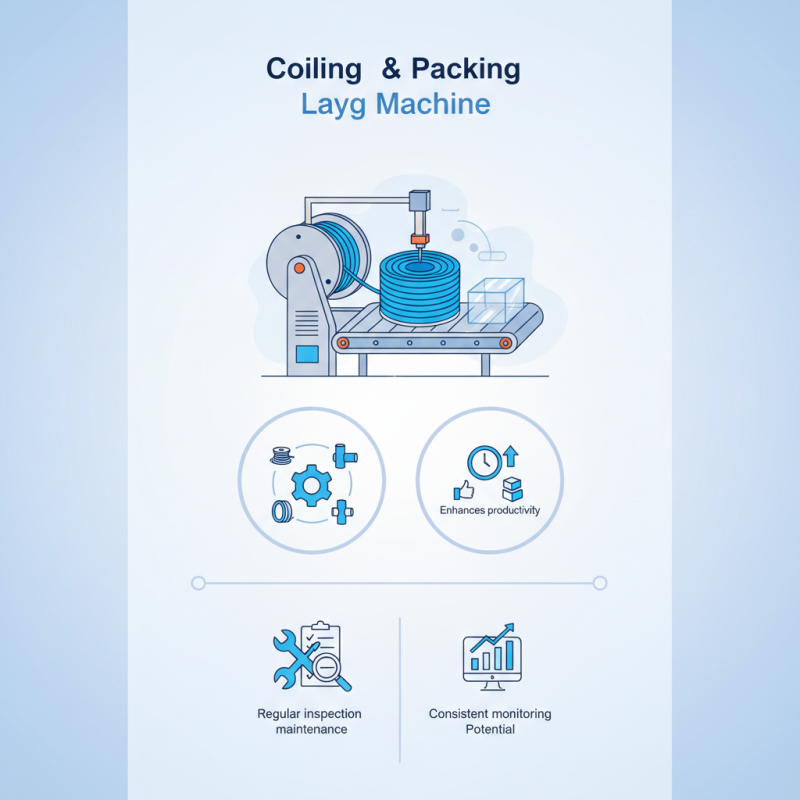
A Coiling and Packing Machine is an essential device in many industries. It efficiently organizes materials into uniform coils. This process saves time and enhances productivity. The machine automatically winds materials, reducing the need for manual labor.
Understanding how a Coiling and Packing Machine functions is crucial. The machine operates with precision. It can handle various materials like cables, wires, and plastics. This versatility makes it useful across multiple sectors. However, it can be complex to maintain. Operators must regularly inspect the equipment to avoid breakdowns.
In summary, the Coiling and Packing Machine plays a vital role in packaging. It improves workflow but requires attention and care. Without proper maintenance, it may not perform as expected. This raises questions about reliability and efficiency. Consistent monitoring is key to maximizing its potential.
What is a Coiling and Packing Machine?
A coiling and packing machine is designed to efficiently assemble and package various products. This equipment plays a crucial role in industries like textiles, electronics, and food processing. It coils materials into neat rolls and packs them for storage or shipping. According to a recent market report, the global packaging machinery market is projected to reach $50 billion by 2026. This growth highlights the significance of machines like coilers in modern manufacturing.
The operation of a coiling and packing machine involves several stages. It receives raw material, often in long lengths. The machine then pulls the material through a series of rollers. It coils the material tightly and uniformly. This process reduces waste and increases efficiency. However, achieving the right tension is sometimes challenging. If the tension is too high, it can cause damage. If too low, the coil may be loose and inefficient.
In addition to coiling, the packing aspect also matters. Different products require various packing solutions. Traditional methods are sometimes slow and labor-intensive. Automating this process enhances speed and consistency. Yet, one must remember that automation can lead to errors. It requires regular maintenance and operator training. Balancing automation and manual processes can be tricky but necessary for optimal results.
The Main Components of a Coiling and Packing Machine
Coiling and packing machines are essential in various industries. They are designed to efficiently package coiled products. Understanding their main components is crucial for optimal operation.
One key component is the coiling unit. This section gathers and winds materials into a coil. It requires precision to avoid damage. Next, the packing unit follows. This part seals the coiled products, readying them for shipment. Proper sealing prevents moisture and dust intrusion. The control panel monitors the entire process, ensuring smooth operation. Operators must understand its functions to avoid errors.
Another important aspect is the conveyor system. It facilitates the movement of products between different stages. This system needs maintenance to prevent breakdowns. Regular inspections are vital for efficiency. Misalignment or wear can cause delays, impacting productivity. Thus, keeping components in working order is essential for optimal performance.
How Coiling and Packing Machines Operate
Coiling and packing machines are vital in various industries, especially in manufacturing and logistics. These machines efficiently wind materials like wires, cables, and films. Understanding their operation is key to maximizing productivity.
Coiling machines typically have rollers that guide the material into a spiral form. The winding process is often automated, enhancing precision. According to a recent industry report, automating coiling can increase output by up to 30%. Accurate rolls reduce material waste. Packing machines then take over, using systems to seal and protect the coiled material. They can handle various packaging types, ensuring safe transportation.
Tips: Regularly check the machine calibration. Calibration affects precision. Even minor misalignments may lead to flawed rolls. Consider staff training on equipment operation. Well-trained employees can spot issues early. Prevent delays caused by equipment malfunctions. Productivity hinges on maintaining these machines properly.
Applications and Industries Utilizing Coiling and Packing Machines
Coiling and packing machines play a crucial role in various industries. They are primarily used for efficient packaging of products like cables, wires, and textiles. The global coiling machine market is projected to reach USD 4 billion by 2027, according to a recent industry report. In the manufacturing sector, these machines help streamline production processes and enhance productivity.
One significant application is in the electronics industry, where coiling and packing machines ensure precise winding of wires for electronics. In the textile sector, these machines can handle large volumes of fabric rolls efficiently. The food industry also benefits, as these machines assist in packaging items like spaghetti or other long products neatly. This packaging method can reduce product damage during transportation.
Tips: Always consider your production volume when selecting a machine. Ensure it meets your pace and efficiency needs. Regular maintenance can prevent breakdowns and prolong machine life. These machines can be complex, and training operators is essential to avoid misuse and operational hiccups.
Benefits of Using Coiling and Packing Machines in Production
Coiling and packing machines are vital in modern production lines. They offer numerous benefits that can enhance efficiency. One key advantage is speed. These machines can coil and package products quickly, reducing manual labor. This boosts overall productivity. Employees can focus on more complex tasks, letting the machine handle repetitive work.
Additionally, using these machines minimizes errors. Human workers may tire or make mistakes. Machines, on the other hand, provide consistent quality with each cycle. This leads to fewer defective products. Moreover, coiling and packing machines can accommodate various materials. They can handle different sizes and shapes, adapting to changing needs.
Cost savings also arise from automation. Businesses save on labor costs and increase output without hiring more staff. However, the initial investment in these machines can be high. Companies must carefully evaluate their long-term benefits versus upfront costs. Despite potential challenges, the advantages of faster, more reliable production often outweigh the drawbacks.