2026 How to Choose the Best Aluminum Profile for Your Needs?
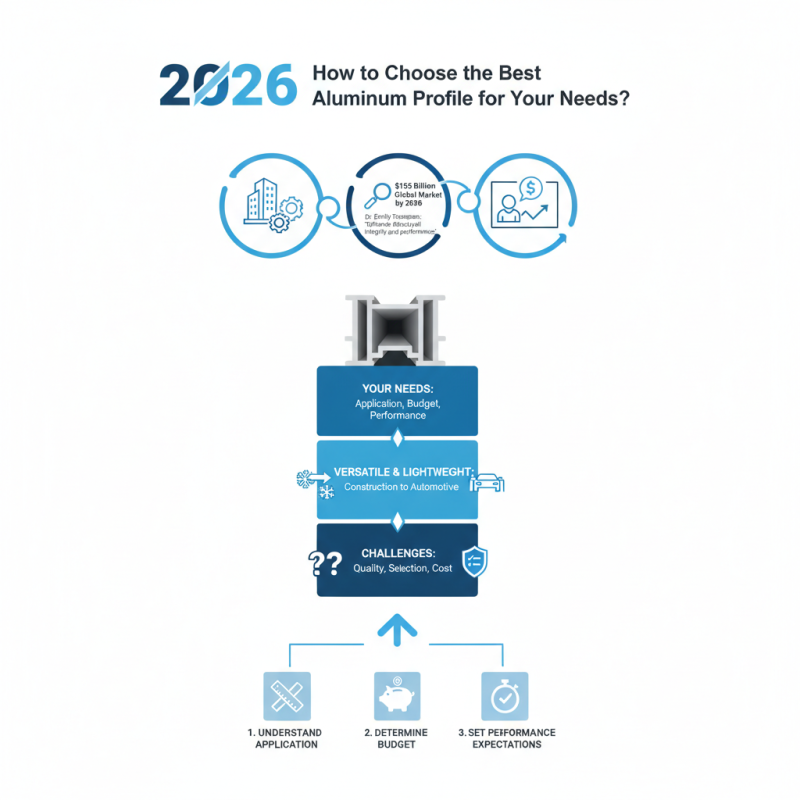
Choosing the right Aluminum Profile is crucial for various applications, from construction to automotive industries. With the global aluminum market projected to reach $155 billion by 2026, understanding the specifications and uses of Aluminum Profiles is essential. Industry expert Dr. Emily Thompson states, “Selecting the proper aluminum Profile can significantly enhance structural integrity and performance.”
Aluminum Profiles are versatile and lightweight, offering significant benefits over traditional materials. They come in various shapes and sizes, tailored to meet specific needs. For instance, architectural Aluminum Profiles can improve energy efficiency in buildings. However, the growing market also brings challenges. Not all aluminum products are created equal, and identifying quality can be daunting.
Moreover, as the industry evolves, consumers face new choices that require careful consideration. The right selection could save costs and fulfill structural requirements. As you navigate this complex landscape, understanding your application, budget, and performance expectations is key. Failing to do so may lead to overpaying or choosing an unsuitable profile.
Understanding Aluminum Profiles and Their Applications
Aluminum profiles serve diverse applications across industries. They can be found in construction, furniture, and manufacturing. Understanding the characteristics of different profiles is essential for effective use. For instance, structural profiles offer strength, while decorative profiles enhance aesthetics.
When selecting an aluminum profile, consider your project's specific requirements. Evaluate the load-bearing capacity and corrosion resistance. The profile shape influences its functionality. T-slot profiles are versatile, allowing easy assembly. Focus on the intended use and environment when making your choice.
Tips:
Do not overlook the thickness of the profile. It can significantly impact durability. Also, think about the finishing options available. Anodizing can provide additional protection against wear and tear. Finally, always review weights and dimensions to ensure proper fit. Each decision affects your project's outcome and performance.
Factors to Consider When Selecting an Aluminum Profile
Choosing the right aluminum profile is crucial for your project's success. Start by considering the intended application. Are you using it for structural support or decorative purposes? Each use case may require different specifications. The load-bearing capacity and shape of the profile matter significantly.
Next, evaluate the environmental conditions. Will it be exposed to moisture, UV light, or extreme temperatures? Aluminum can resist corrosion, but different alloys provide different levels of protection. You want a profile that withstands your local climate.
Think about manufacturing processes too. Some profiles are more challenging to cut or weld. If you plan on customizing the aluminum, ensure that it meets your fabrication needs. Complicated designs might complicate installation.
Lastly, don’t overlook the aesthetic aspect. Aluminum can be finished in various ways, like powder coating or anodizing. This allows for customization in appearance, yet the process can add cost and lead time. Balancing these factors may require tough decisions, but careful planning leads to better results.
Aluminum Profile Selection: Key Factors to Consider
Different Types of Aluminum Profiles: A Comparative Overview
When selecting the best aluminum profile, understanding the different types is essential. Aluminum profiles come in various shapes and sizes. Common types include extruded profiles, rolled profiles, and forged profiles. Each type serves different applications based on strength, weight, and flexibility.
Extruded profiles are ideal for structural components. They maintain uniformity and offer good strength-to-weight ratios. Rolled profiles are used for more complex shapes and are excellent for architectural elements. Forged profiles provide superior durability and resistance, making them suitable for high-stress applications.
Tips: Consider your project's specific requirements. Take note of factors like load-bearing capacity and environmental conditions. Cost-effectiveness is important, but quality should not be compromised. Always examine the profile's finish and corrosion resistance.
Be aware that not all aluminum profiles are created equal. Variations in manufacturing processes can affect overall performance. It’s prudent to research materials and seek expert advice. Testing prototypes may reveal unexpected weaknesses or benefits. Therefore, thorough evaluation is crucial for long-term success.
Evaluating Quality and Durability in Aluminum Profiles
When evaluating the quality and durability of aluminum profiles, several key factors come into play. First, assess the alloy composition. Different aluminum alloys offer varying attributes, such as strength, weight, and corrosion resistance. For instance, 6061 aluminum is known for its suitability in structural applications, while 2024 aluminum can provide enhanced strength for demanding environments.
Another vital aspect is the finish of the aluminum profile. Anodized coatings can increase resistance to wear and corrosion. However, not every application requires a high level of finish. Sometimes, a simple extruded surface may suffice. It's crucial to reflect on the environment where the profile will be used. Will it face moisture or chemicals? Understanding these elements helps in making informed decisions.
Don’t overlook the importance of manufacturing standards. Profiles produced under strict quality control tend to have fewer defects. However, even high-quality products can sometimes have hidden issues. Inspecting samples before large orders can be beneficial. A small batch test can reveal inconsistencies in craftsmanship. This step ensures that you receive reliable materials for your project.
2026 How to Choose the Best Aluminum Profile for Your Needs? - Evaluating Quality and Durability in Aluminum Profiles
| Application | Material Grade | Profile Type | Weight (kg/m) | Tensile Strength (MPa) | Durability Rating |
| Construction | 6061 | Square | 3.5 | 260 | High |
| Aerospace | 7075 | Rectangular | 4.2 | 570 | Very High |
| Automotive | 6060 | Hollow | 2.8 | 210 | Medium |
| Furniture | 5005 | Flat | 1.9 | 190 | Low |
| Electrical | 6063 | Round | 2.4 | 240 | Medium |
Cost Considerations for Choosing Aluminum Profiles
When selecting aluminum profiles, cost is a critical factor. According to a recent industry report from the Aluminum Association, the average cost of aluminum has seen fluctuations between $2,000 and $3,000 per ton over the past few years. This variability is often linked to global supply chain issues and raw material availability. Choosing the right profile involves understanding both initial costs and long-term investment potential.
Commonly, aluminum profiles require a balance between quality and price. A lower-cost option might save money upfront but could lead to higher maintenance expenses down the line. As reported by the International Aluminium Institute, high-quality profiles can reduce lifecycle costs by up to 20%. It’s essential to weigh these aspects against your project needs. In some cases, investing in a premium profile may result in better performance and durability.
It's also important to consider the manufacturing processes associated with aluminum profiles. Methods such as extrusion can impact price. However, not all manufacturers provide the same level of expertise. This can lead to inconsistencies in quality that might affect your budget later. Understanding these nuances is crucial for making informed decisions.