How to Implement Industrial Robotic Automation in Your Business?
In today's rapidly evolving manufacturing landscape, "industrial robotic automation" is more than just a trend; it's a vital necessity. Experts like Dr. Emily Carter, a leader in automation technology, emphasize this point: “The future of industry lies in seamlessly integrating robots into everyday processes.” This statement underlines the importance of adapting to automation to remain competitive.
Implementing industrial robotic automation can be a daunting task for many businesses. Companies must consider various factors, like selecting the right technology and assessing workforce implications. A one-size-fits-all solution does not exist. Each business is unique and may face challenges during the transition. Realigning workflows and training staff are critical aspects that need careful attention.
Yet, the benefits are significant. Improved productivity and efficiency can lead to increased profits and better product quality. However, it’s essential to reflect on the potential impacts of such integration. Some may resist change, fearing job losses or a lack of control over processes. Using industrial robotic automation wisely requires a balance between embracing innovation and addressing valid human concerns. This journey is not without its complexities, demanding thoughtfulness and foresight.
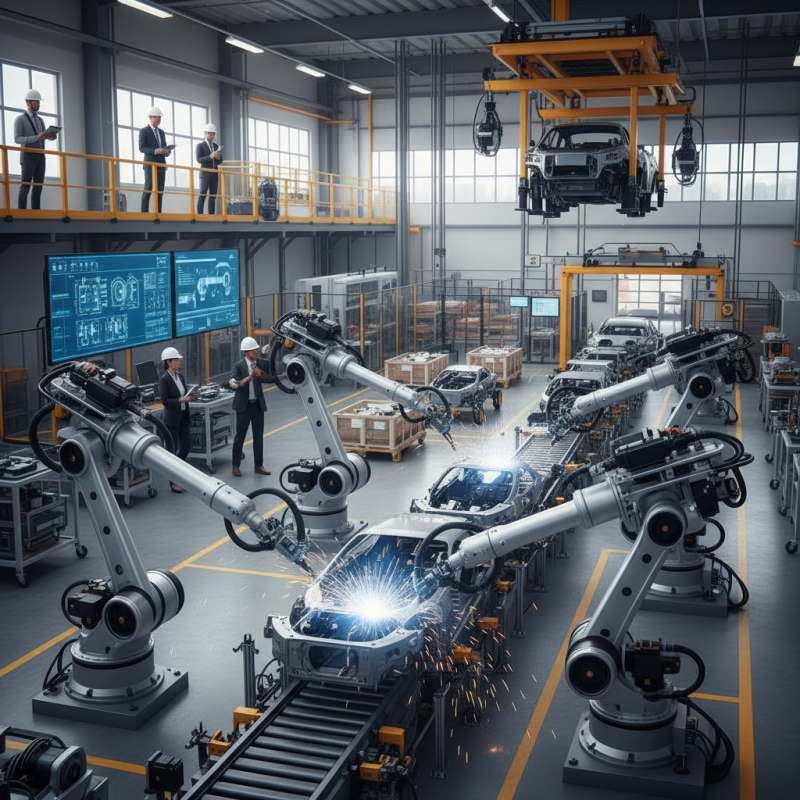
Assessing the Need for Industrial Robotic Automation in Your Business
Assessing the need for industrial robotic automation in your business requires a careful analysis of your operations. Start by identifying repetitive tasks that consume significant time and resources. Consider whether these tasks could benefit from robotic intervention. It’s crucial to evaluate your workforce's capabilities and willingness to adapt. Some employees may feel threatened by automation. Balancing technology with human skills is essential.
Next, analyze your production processes. Are there bottlenecks? Look for inefficiencies that automation could resolve. For example, a robotic arm might speed up assembly or packaging. Track the costs associated with delays and errors. This data can guide your decision-making.
Engaging with your team is vital during this assessment. Their insights can uncover hidden challenges and potential improvements. Some may also have concerns about job security. Addressing these issues openly can foster a more collaborative environment around automation. As you assess these needs, remain open to not only technological solutions but also the human element in your operations.
Understanding Different Types of Industrial Robots and Their Functions
Industrial robots have become essential in modern manufacturing. According to the International Federation of Robotics (IFR), over 2.7 million industrial robots are currently used worldwide. Understanding different types of robots helps businesses choose the right one for their needs.
There are several categories of industrial robots, each designed for specific functions. Articulated robots mimic the human arm and are ideal for tasks requiring flexibility and precision. They are commonly used in assembly lines and material handling. Cartesian robots, or gantry robots, excel in straightforward movements along axes; this makes them perfect for pick-and-place applications. In contrast, collaborative robots, or cobots, work alongside humans, ensuring safety and efficiency in shared environments.
While the benefits of robotic automation are clear, challenges remain. Integrating robots into existing workflows can be complex. Companies often struggle with the upfront costs and training staff to operate the technology. A recent study by McKinsey found that 69% of businesses need to reconsider their workforce strategies when implementing automation. This highlights the importance of not just investing in technology but also in employee readiness and adaptability. Addressing these issues is crucial for a successful transition into robotic automation.
Key Considerations for Selecting the Right Industrial Automation Technology
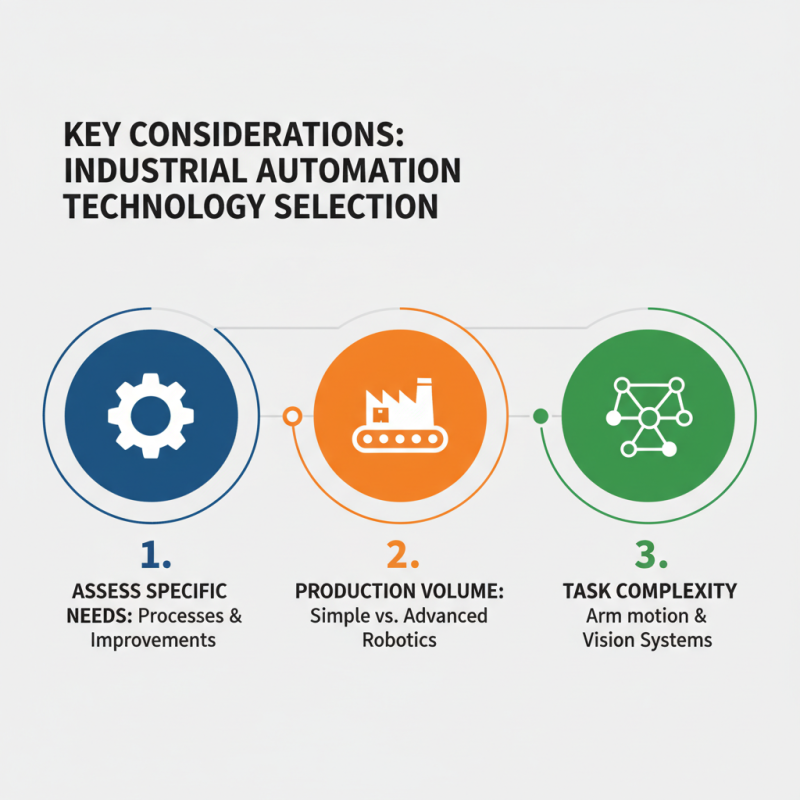
Selecting the right industrial automation technology is crucial for any business looking to implement robotic automation. First, assess your specific needs. Identify the processes that require automation and understand the potential for improvement. Think about your production volume and the complexity of tasks. Will a simple robotic arm suffice, or do you need more advanced solutions?
Tips: Consider scalability. Choose technology that can grow with your business. A system that is flexible can adapt to changing demands.
Another essential factor is compatibility. Ensure that the chosen technology integrates smoothly with your existing systems. Look for user-friendly interfaces that require minimal training for your staff. It's important to evaluate the support and training options available for the technology.
Tips: Conduct thorough research. Speak with vendors and seek their expertise, but verify their claims independently. User testimonials are valuable, but scrutinize them carefully for authenticity.
Lastly, consider the total cost of ownership. Beyond the initial purchase price, maintenance and operational costs play a vital role in your investment's viability. Keep a long-term perspective. Aim to strike a balance between cost and functionality for sustainable growth.
Estimating ROI and Cost-Benefit Analysis of Robotic Automation
Implementing robotic automation in your business can significantly improve efficiency. However, estimating the return on investment (ROI) is crucial. According to a report by the International Federation of Robotics, companies can see an ROI of 20% to 30% within the first two years of automation implementation. This data highlights the potential for improved productivity and reduced labor costs.
A cost-benefit analysis helps assess both tangible and intangible impacts. For example, a study by McKinsey reveals that automation can reduce operational costs by up to 40%. Yet, not all businesses experience the same benefits. Factors like industry type and automation scale play significant roles. Training employees for new roles post-automation can also incur additional costs not captured in initial budgeting.
Adopting robotic technology requires a delicate balance. You must weigh immediate costs against long-term gains. Some businesses face deployment challenges, affecting their ROI. Ensuring that your workforce adapts is just as important as the technology itself. The path to successful implementation is filled with both opportunities and pitfalls.
How to Implement Industrial Robotic Automation in Your Business?
| Aspect |
Estimated Cost (USD) |
Expected Benefits (USD) |
Payback Period (Years) |
| Initial Investment |
50,000 |
0 |
N/A |
| Annual Maintenance Cost |
5,000 |
0 |
N/A |
| Increased Production Efficiency |
0 |
120,000 |
0.42 |
| Reduced Labor Costs |
0 |
30,000 |
0.17 |
| Total ROI |
-55,000 |
150,000 |
0.35 |
Best Practices for Integrating Robots into Existing Business Operations
Integrating robotic automation into existing business operations can significantly enhance efficiency. According to the International Federation of Robotics, global robot sales surged by 12% in 2022. This showcases the growing reliance on automation across industries. However, implementing robots isn't without challenges. Companies must assess their current workflows and identify tasks suitable for automation.
A thorough analysis often reveals that not all processes will benefit from robotics. For example, jobs requiring complex decision-making may not be ideal for robots. In 2023, it was reported that 17% of companies faced difficulties in integrating robotics smoothly. Addressing these challenges early is crucial. Collaborating with staff can ensure a smoother transition and boost morale.
Training employees to work alongside robots is vital. Studies show that successful integration often results in a productivity boost of up to 30%. Yet, training programs can be costly and time-consuming. Companies need to weigh these costs against potential gains. Comprehensive planning is essential to integrate robots effectively while minimizing disruptions.