Why You Should Learn Robotics for Future Career Opportunities?
In today's rapidly evolving job market, the importance of technology cannot be overstated. Experts like Dr. Jane Smith, a leading robotics researcher, emphasize, "To future-proof your career, learn robotics." As industries increasingly integrate automation, the demand for skilled professionals in robotics is surging. Learning robotics can open doors to several exciting career paths.
The world of robotics is vast and varied. From manufacturing to healthcare, skilled individuals are needed everywhere. Companies are looking for creative thinkers who can design, program, and maintain robotic systems. Those who choose to learn robotics can position themselves at the forefront of this technological revolution. Yet, many still hesitate, thinking it’s too complex.
However, learning robotics is more accessible than ever. With online courses and local programs, anyone can start their journey. The skills gained can lead to fulfilling careers that shape the future. While it's not always a straight road, the rewards are worth it. As you consider your future, remember that the ability to learn robotics could be a game changer.

The Growing Demand for Robotics Professionals in Various Industries
The demand for robotics professionals is surging across various industries. According to a report by the International Federation of Robotics, the global robotics market is expected to reach $191 billion by 2025. This growth isn't just a statistic; it's reshaping job opportunities. Automation is no longer a futuristic concept. Industries like manufacturing, healthcare, and logistics now rely heavily on robotic systems.
Manufacturing has seen a remarkable transformation. Automation has improved efficiency and reduced human error. Nearly 75% of manufacturers are investing in robotic technology to stay competitive. Healthcare is also benefiting. Robots assist in surgeries and logistics, enhancing patient care. The healthcare robotics market is projected to expand at a 27% CAGR through 2026.
While these opportunities are promising, there are challenges. The skills gap is a real issue. Many workers are not trained adequately for these new roles. As robotics evolve, education must keep pace. Workers must adapt regularly, continually updating their skills. The future may be bright, but we need the right foundation.
Key Skills Required for a Successful Career in Robotics
Robotics is shaping the future job market. To thrive in this dynamic field, you need a set of key skills. Problem-solving is crucial. As a roboticist, you will face many challenges. It requires creative thinking to find effective solutions.
Teamwork also matters. Projects often need collaborative efforts. Communication skills can enhance group dynamics.
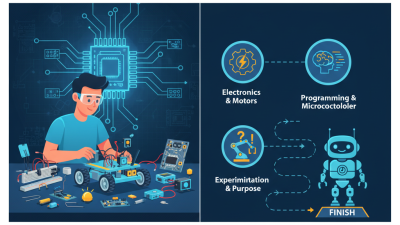
Technical skills are non-negotiable. Understanding programming languages is vital. Grasping concepts in mechanics helps too. Familiarity with sensors and AI will give you an edge. Building prototypes is part of the learning process. Don’t shy away from failure—it's a part of growth. Failure offers lessons that success cannot teach.
Tips: Start by joining robotics clubs or online forums. Practical experience makes a huge difference. Seek internships when possible. Hands-on work builds confidence and knowledge. Experiment with DIY robotics kits to deepen your understanding. Stay curious and keep learning; technology evolves rapidly.
Impact of Automation on Job Markets and Career Opportunities
The rise of automation significantly reshapes job markets. Many traditional roles are being transformed or replaced. Robotics skills are now in demand across various industries, from manufacturing to healthcare. These shifts can create opportunities but also challenges. Many workers face the risk of displacement. This reality forces us to rethink our career paths.
Tips: Stay informed. Follow industry trends and understand how automation affects your job. Upskilling is crucial. Learn relevant technologies to remain competitive. Networking can also open doors. Engage with professionals in robotics to discover new opportunities.
As technology evolves, roles shift significantly. Jobs that once required a human touch now often involve robots. Workers need to adapt or face uncertainty. Learning robotics isn't just an option; it’s becoming essential. This field offers significant growth, but not everyone will be prepared. Mismatched skills can lead to frustration and limited prospects.
Tips: Attend workshops or online courses. Hands-on experience can be valuable. Collaborate with peers to tackle real-world challenges in robotics. Embrace a mindset that values continuous learning. Automation isn't going away, so stay ahead of the curve.
Statistics on Robotics Job Growth and Salary Trends by 2030
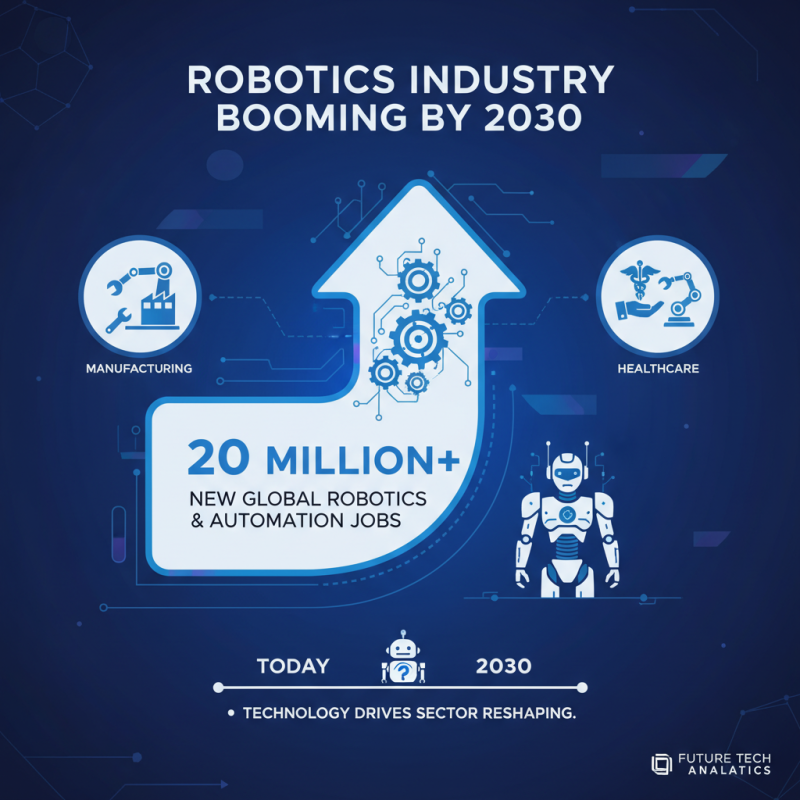
The robotics industry is expanding rapidly. By 2030, job opportunities in this field are expected to grow significantly. According to recent statistics, it is estimated that there will be over 20 million jobs related to robotics and automation globally. This growth is driven by advancements in technology, which are reshaping various sectors. For instance, manufacturing and healthcare are becoming increasingly reliant on robots.
Salary trends are also promising. Average salaries for robotics engineers are projected to reach over $100,000 per year. However, there is a growing need for skilled workers. Those not equipped with robotics knowledge may find themselves at a disadvantage. There are concerns about the accessibility of robotics education. Not everyone has access to the necessary resources. Moreover, the rapid pace of change in this field can be overwhelming. This emphasizes the importance of continuous learning and adaptability.
The landscape of work is shifting. Many traditional jobs may become obsolete due to automation. Yet, new roles will emerge, requiring a blend of technical skills and creative thinking. Individuals who invest time in learning robotics could secure a competitive edge. The future may seem intimidating, but the opportunities are abundant for those willing to engage with this exciting field.
Future Technologies: The Role of Robotics in Innovation and Development
Robotics is transforming various sectors. Industries like healthcare, agriculture, and manufacturing are adopting innovative technologies. Robots can perform tasks humans find tedious or dangerous. Automated systems enhance productivity and safety. They analyze data more quickly than we can. This shift leads to new job opportunities.
However, the rapid advancement of robotics presents challenges. Many workers fear job displacement. This anxiety can be stressful. It's essential to view robots as tools that can complement human skills. Learning robotics can help individuals adapt to changing roles. Those who embrace automation will thrive in this evolving landscape.
Moreover, robotics is driving innovation. It fosters creativity in problem-solving. Educational programs in robotics encourage teamwork and critical thinking. Students learn to design and build systems that push boundaries. These skills are valuable in many fields. Fostering a culture of innovation is vital for future progress.