Top Robotic Tools That Are Revolutionizing Industries Today?
In recent years, robotic tools have emerged as game-changers across various industries. According to a report by McKinsey, automation could boost global productivity by up to 1.4% annually. This transformative effect highlights the importance of robotic tools in enhancing efficiency and reducing operational costs. With advancements in artificial intelligence and machine learning, these tools are becoming more sophisticated, capable of performing complex tasks with precision.
Industries such as manufacturing, healthcare, and logistics are experiencing significant benefits. For instance, the use of robotic arms in assembly lines has increased production rates by approximately 30%, as per a study by Deloitte. However, the integration of these tools is not without challenges. Companies often face hurdles in training employees and adapting workflows to accommodate robotic systems. Moreover, concerns about job displacement continue to loom, necessitating a balanced approach to automation.
Despite these issues, the potential of robotic tools remains vast. The global market for robotic technology is projected to reach $500 billion by 2025, according to Statista. This underscores the need for businesses to stay informed and embrace these innovations. As we explore the top robotic tools today, we must reflect on both their opportunities and the ethical implications they bring.
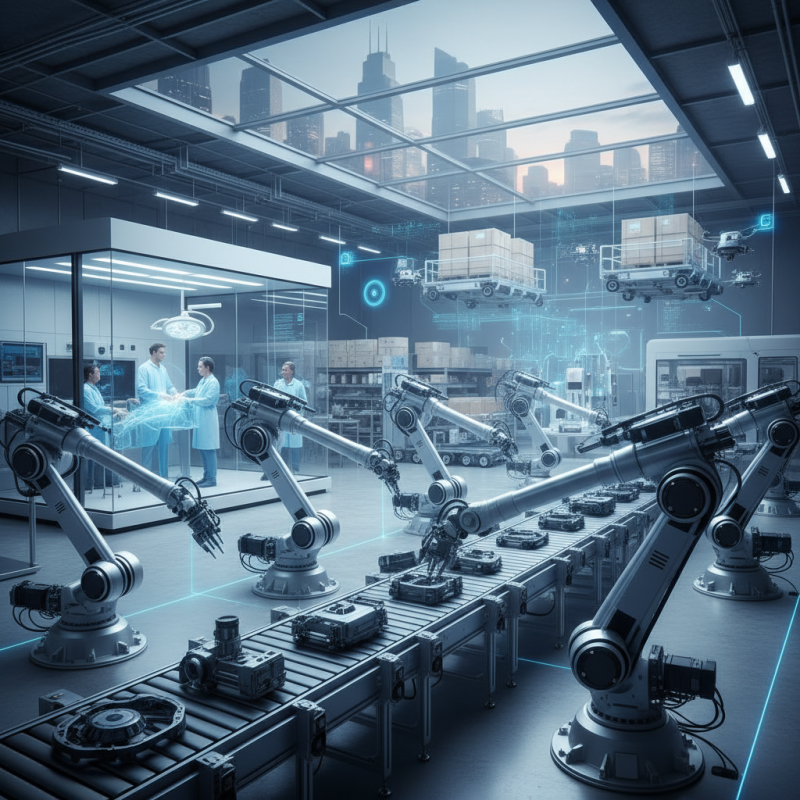
Emergence of Robotics in Modern Industries
The emergence of robotics in modern industries is a game changer. From manufacturing to healthcare, robots are enhancing efficiency and precision. These intelligent machines are designed to perform repetitive tasks which often lead to improved productivity. However, their integration poses challenges, like the need for skilled human oversight.
In the manufacturing sector, robotic arms are now commonplace. They weld, assemble, and even package products. These robots reduce human error but can also create job displacement concerns. The technology is not foolproof; issues such as maintenance and software malfunctions can arise. Companies must weigh the benefits against these potential pitfalls.
In healthcare, robotic systems assist in surgeries and patient care. They enable surgeons to make precise incisions and enhance recovery times. Yet, reliance on robotics raises questions about accountability in medical errors. As industries adopt these tools, a balance must be struck between innovation and human expertise. Embracing robotics requires careful consideration of ethical and operational implications.
Top Robotic Tools That Are Revolutionizing Industries Today
| Industry |
Robotic Tool |
Primary Function |
Benefits |
| Manufacturing |
Collaborative Robots (Cobots) |
Assisting human workers |
Increased efficiency, reduced labor costs |
| Healthcare |
Surgical Robots |
Precision surgeries |
Minimally invasive procedures, faster recovery |
| Agriculture |
Autonomous Tractors |
Field cultivation and planting |
Higher crop yields, lower operational costs |
| Logistics |
Automated Guided Vehicles (AGVs) |
Material transport |
Improved inventory management, reduced handling times |
| Construction |
Robotic Bricklayers |
Automated bricklaying |
Speed up construction time, increase precision |
Key Robotic Technologies Transforming Manufacturing
The manufacturing industry is undergoing a significant transformation. Key robotic technologies are at the heart of this change. Automation has boosted productivity and efficiency like never before. Robots now handle tasks ranging from assembly to packaging. They work alongside human workers, enhancing output and safety.
Collaborative robots, or cobots, are particularly noteworthy. These machines are designed to safely interact with humans. They can take on repetitive tasks, allowing workers to focus on more complex challenges. This shift redefines roles in the workforce.
Training remains essential to adapt to these changes. Workers need skills in operating and managing robotic systems.
Despite the advantages, challenges persist. Not all companies can afford advanced robotic solutions. There is also a cultural shift needed to embrace this technology fully. Some employees may resist change, fearing job loss. Open communication and training can ease these concerns.
As the industry progresses, ongoing adaptation is crucial. Addressing these issues will help maximize the potential of robotic technologies.
Impact of Robotics on the Healthcare Sector
The healthcare sector is experiencing a significant transformation due to robotic tools. These technologies enhance precision in surgeries. Robotic surgical systems enable surgeons to perform complex procedures with minimal invasiveness. This leads to shorter recovery times for patients. However, the reliance on robots may raise concerns about the level of human touch in care.
In rehabilitation, robots assist patients in regaining mobility. They offer support during physical therapy sessions. Patients can feel motivated and encouraged to complete their exercises. While these robotic devices show promise, some patients may feel apprehensive and prefer human interaction. Balancing technology with compassion is crucial.
The integration of robotics in healthcare presents both opportunities and challenges. Training healthcare professionals to work alongside these machines is essential. A lack of familiarity with robotic systems may hinder their potential benefits. Continual assessment of robotic applications is necessary to ensure patient safety and care quality.
Impact of Robotics on the Healthcare Sector
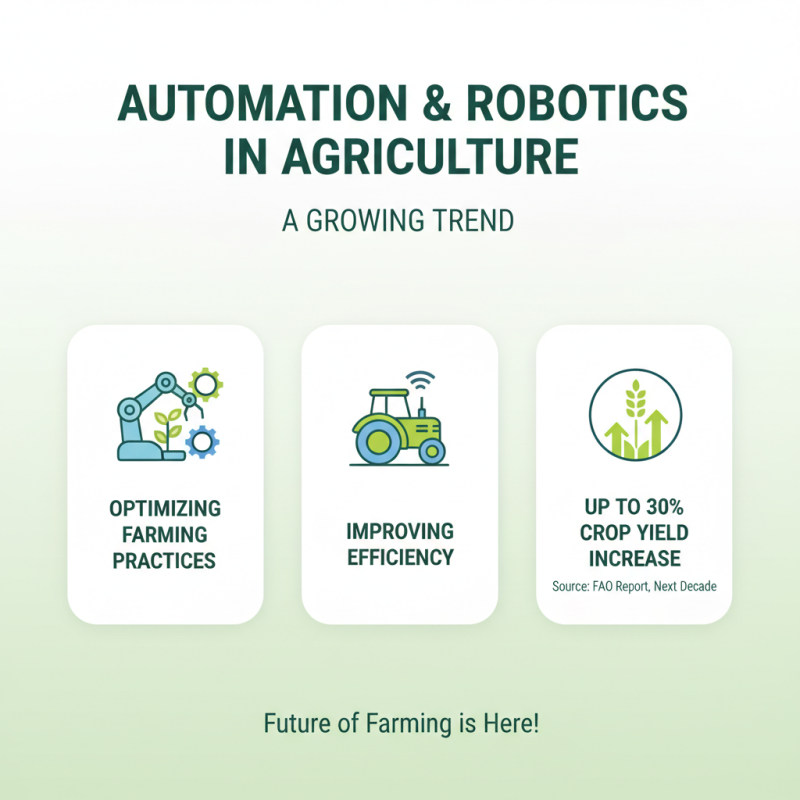
Automation and Robotics in Agriculture: A Growing Trend
Automation in agriculture is gaining momentum. Robotics are optimizing farming practices and improving efficiency. According to a recent report by the Food and Agriculture Organization (FAO), these technologies could increase crop yields by up to 30% within the next decade.
Robotic tools are taking on tasks such as planting, weeding, and harvesting. These innovations reduce the need for manual labor. The American Society of Agricultural and Biological Engineers notes that farmers embracing these tools see a 20% reduction in operational costs. This is vital as the demand for food increases, expected to reach 9.7 billion by 2050.
Tips: Start small with automation. Employ a single robotic tool to assess its benefits. Gradually expand your use of technology. It’s essential to evaluate the training needs of your workforce as well. Ensure they are comfortable with new systems to maximize effectiveness.
However, not all farms benefit equally from automation. Some regions lack the infrastructure to support these advancements. A tailored approach is necessary. Evaluate local conditions before investing in robotic tools. This ensures that potential drawbacks are addressed early on.
Future Prospects: The Next Wave of Robotic Innovations
The landscape of robotics is evolving rapidly. Innovations are emerging in various sectors. According to a report by the International Federation of Robotics, the global market for robotics will reach $100 billion by 2025. This growth signals a transformative future for industries like manufacturing, healthcare, and logistics.
In manufacturing, collaborative robots, or cobots, are redefining workflows. These robots work alongside humans, boosting productivity while ensuring safety. A recent study showed that companies using cobots can increase output by 20-30%. However, integrating these tools poses challenges, such as workforce adaptation and potential job displacement concerns.
Healthcare is also seeing a surge in robotic applications. Surgical robots enhance precision during procedures. A study in the Journal of Robotic Surgery noted a 40% reduction in recovery time for patients. But, questions arise about accessibility and the cost of these advanced systems. Continuous investment in training and infrastructure will be crucial. As industries embrace this robotic wave, a balance between innovation and ethical considerations will shape the future.