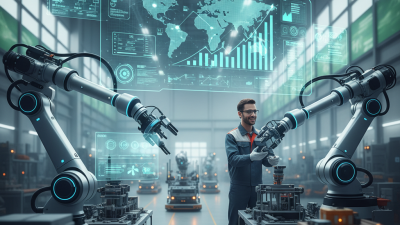
The global supply chain is undergoing a significant transformation, driven by innovative robotics applications. According to a recent report by McKinsey, companies that implement robotics in their supply chains can see productivity increase by up to 30%. This shift is not merely a trend; it represents a profound evolution in how goods are produced and delivered. Robotics applications streamline operations, reduce human error, and enhance efficiency.
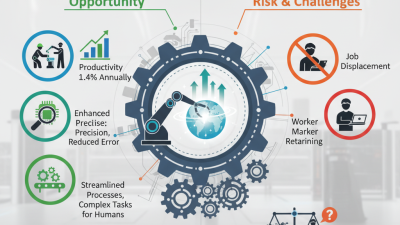
Take Amazon, for instance. The company employs over 200,000 robots globally, optimizing its warehouses and improving order fulfillment. Despite these advancements, challenges persist. Integration of robotics applications into existing systems can be complex and costly. Additionally, workforce adaptation remains a concern, as employees must upskill to work alongside these machines.
Adopting robotics applications also raises questions about long-term sustainability. While productivity boosts are evident, the environmental impact of increased automation warrants careful consideration. Transformation in supply chains must balance efficiency with responsibility. As we explore the top ten robotics applications revolutionizing this sector, reflections on these challenges will provide valuable insights into a rapidly changing landscape.
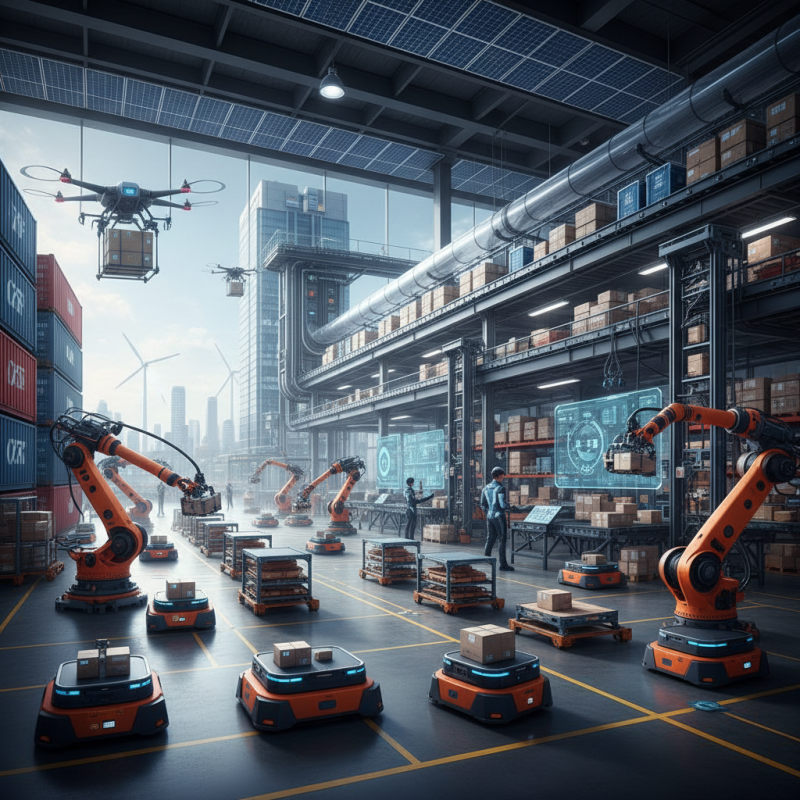
Inventory management faces constant challenges. Traditional methods often fall short in efficiency and accuracy. Robotics is changing this landscape. According to a report by McKinsey, 60% of supply chain executives recognize robotics as a key driver of transformation. This adoption can boost inventory accuracy by up to 99%.
Robotic systems streamline stock management. They reduce human error and speed up processes. Data from the Warehousing Education and Research Council shows that companies using robotics decrease fulfillment times by 30%. Automation transforms tasks like picking and sorting. This allows human workers to focus on more complex duties.
However, integrating robotics is not without challenges. Transitioning to automated systems requires significant investment. Additionally, workforce training is crucial to maximize technology benefits. A report from Deloitte indicates that 70% of businesses face hurdles in employee adaptation. Recognizing these obstacles is essential for successful implementation.
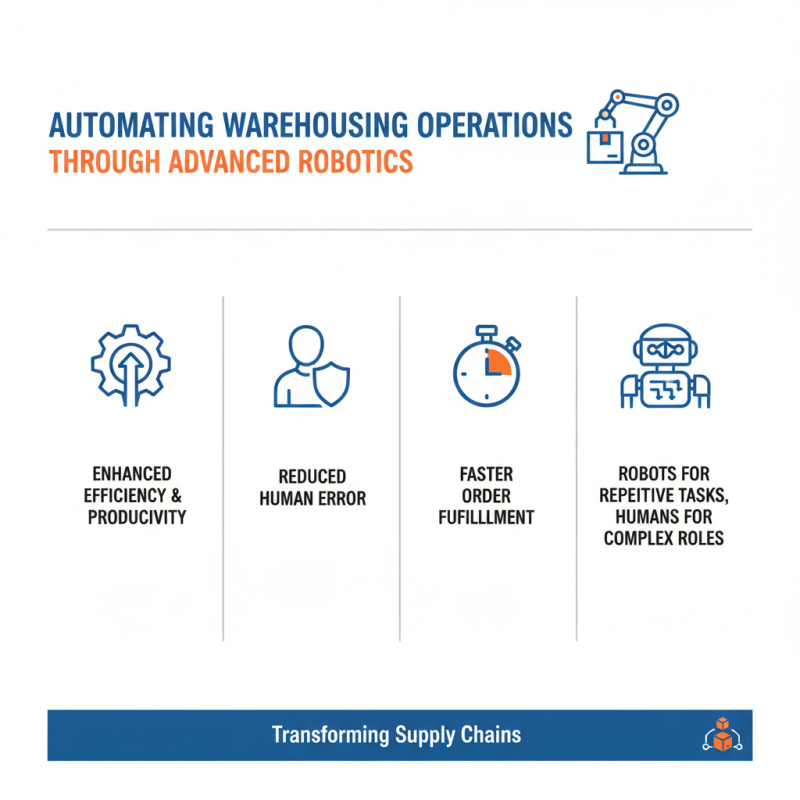
The integration of robotics in warehousing operations is transforming supply chains. Automation enhances efficiency, reduces human error, and speeds up order fulfillment. Robots can handle repetitive tasks, freeing human workers for more complex roles. They are equipped with sensors that allow them to navigate spaces and avoid obstacles. This leads to a significant increase in productivity.
However, challenges exist. Implementing advanced robotics can require significant investment and training. Not all warehouses are equipped to handle robotic systems. Companies must assess their unique needs before adopting these technologies. It's vital to ensure that the workforce is prepared for this shift. Training for employees can mitigate fears and help embrace robots as collaborators, not competitors.
Tips for successful integration include: assess workflow efficiency and identify areas for automation. Regularly test robotic systems for adaptability. Seek feedback from employees on how to improve operations. This will foster an environment of continuous improvement, ensuring that technology benefits everyone involved. Additionally, keep an eye on evolving technologies to stay ahead in the competitive landscape.
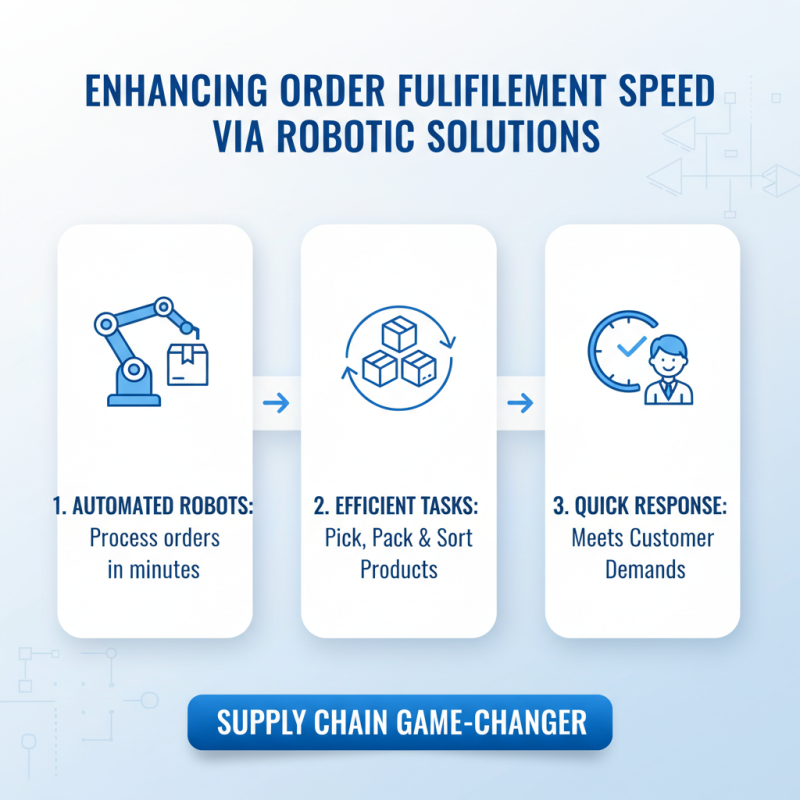
As supply chains evolve, robotic solutions emerge as game-changers. These systems enhance order fulfillment speed remarkably. Automated robots can process orders within minutes. They pick, pack, and sort products efficiently. This quick response time meets customer demands effectively.
However, the integration of robotics can pose challenges. Initial setup costs can be daunting for some businesses. There’s also a learning curve for employees. The complexity of coordinated tasks sometimes leads to errors. Balancing human oversight with automation is crucial to avoid potential mishaps. Leaders must reflect on these challenges to prioritize effective implementation.
The success of robotic solutions lies in continuous improvement. Companies must adapt and refine their systems regularly. They should gather data to gauge efficiency. Analyzing performance metrics allows for informed adjustments. In doing so, they ensure that their operations remain robust and responsive to market changes.
Autonomous robots are transforming last-mile delivery. They bring efficiency to logistics. A report from McKinsey highlights that automation can reduce delivery costs by up to 30%. This potential is significant. Companies face rising demand and increasing delivery complexities. Robots can navigate sidewalks and streets effectively.
Challenges remain. Weather and obstacles can disrupt routes. A study by MIT found that 25% of routes are unpredictable due to external factors. These robots must adapt in real-time to stay efficient. Current technology can struggle with crowded areas. Customers expect timely deliveries, creating pressure on companies.
Furthermore, not all consumers are comfortable with autonomous delivery. Trust in robot reliability is crucial. A survey indicated that 60% of people are anxious about robots making deliveries. Addressing these concerns is essential for widespread adoption. As the technology progresses, understanding user preferences will drive innovation and enhance reliability.
| Application | Description | Impact on Supply Chain | Cost Efficiency (%) |
|---|---|---|---|
| Autonomous Delivery Robots | Robots that navigate independently to deliver packages. | Enhances last-mile delivery speed and efficiency. | 30% |
| Warehouse Automation | Automated systems for sorting and organizing inventory. | Reduces storage costs and labor dependency. | 25% |
| Drone Deliveries | Flying robots used for delivering goods over urban areas. | Improves delivery times and reduces traffic impact. | 40% |
| Automated Guided Vehicles (AGVs) | Vehicles that follow marked paths to transport goods internally. | Streamlines internal logistics and inventory management. | 20% |
| Robotic Process Automation (RPA) | Software robots to handle repetitive tasks. | Increases efficiency in order processing. | 15% |
| Smart Sorting Systems | AI-driven sorting technologies for package handling. | Enhances processing speed and accuracy. | 35% |
| Robotic Palletizers | Robots that automate the palletizing process. | Reduces manual labor and increases throughput. | 22% |
| Predictive Analytics in Robotics | Using data to forecast logistics needs. | Improves inventory management and reduces waste. | 10% |
| Collaborative Robots (Cobots) | Robots designed to work alongside human workers. | Increases workforce efficiency without full automation. | 18% |
| Intelligent Supply Chain Management Systems | AI systems that optimize the entire supply chain process. | Enhances overall efficiency and adaptability. | 28% |
The integration of AI and robotics is transforming supply chain operations. Companies are now leveraging smart robots to enhance productivity and efficiency. These advancements help in real-time inventory management, reducing human error. Automated guided vehicles (AGVs) can transport goods swiftly, minimizing delays. The result? A more resilient and responsive supply chain.
Tips: Regularly assess your robotic tools. What works today may not be effective tomorrow. Training your workforce is equally vital. They must adapt to new technologies.
AI-driven analytics provide insights that allow better decision-making. Predictive maintenance of robots prevents downtimes, keeping operations on track. However, relying solely on technology can be risky. Human oversight is crucial to monitor and correct any discrepancies in automated processes.
Tips: Balance human intervention and automation. Always have backup plans in place. Continuous improvement and adaptation are key in this dynamic environment.