Smart Hotel Trends 2026 Best Innovations for Global Buyers
In the coming years, the concept of the "Smart Hotel" is set to redefine hospitality. As technology advances, hotels will adopt innovative solutions, enhancing guest experiences. This transformation aims to blend luxury with efficiency, focusing on sustainability and personalization.
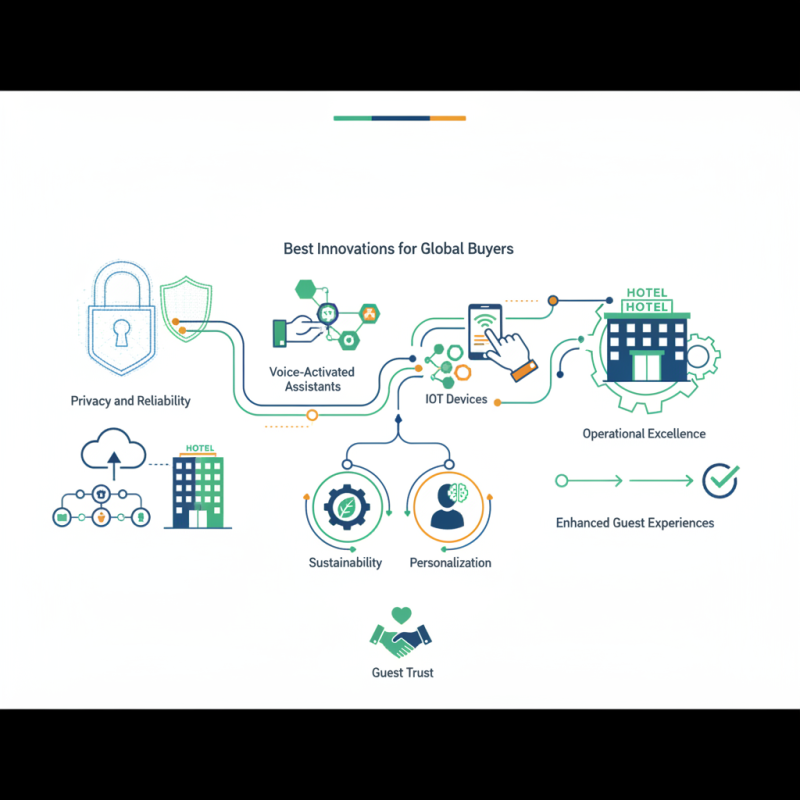
Imagine checking into a hotel where your preferences are already known. Smart technologies will track guest behavior, preparing rooms to meet individual needs with precision. From voice-activated assistants to IoT devices, these innovations create an environment that feels uniquely tailored. However, the rapid pace of change raises questions about privacy and reliability.
The challenge lies in balancing convenience with security. Hotels must prioritize data protection while utilizing smart solutions. Achieving operational excellence through technology requires careful planning and execution. These trends promise a future where comfort meets cutting-edge technology, but they also necessitate a thoughtful approach to ensure guest trust.
Emerging Smart Technologies Transforming the Hotel Industry in 2026
As the hotel industry evolves, emerging smart technologies will reshape guest experiences in 2026. Data from the Hospitality Technology Report indicates that 72% of hotels will adopt artificial intelligence tools to personalize guest interactions. These tools analyze preferences to enhance customer service and streamline operations.
In terms of sustainability, IoT devices will play a vital role. Energy management systems can reduce a hotel's energy consumption by up to 30%. Real-time monitoring of amenities and guest usage allows for a more efficient allocation of resources. However, these innovations require significant investment and training.
Voice-activated devices will become commonplace, allowing guests to control lighting, temperature, and room service requests effortlessly. Although 60% of hotels see the value in such technology, integrating it into existing systems poses challenges. There is a gap in staff readiness to implement these solutions effectively. Implementing smart solutions warranted thoughtful consideration and extensive training programs for employees.
Key Innovations Enhancing Guest Experience in Smart Hotels
The landscape of smart hotels is evolving rapidly. By 2026, innovative technologies will enhance the guest experience significantly. Seamless check-in processes and automated room settings will redefine convenience. Guests will use their mobile devices to control room temperatures and lighting, creating personalized environments.
AI-driven chatbots will provide instant support, answering queries 24/7. Guests can engage with personalized recommendations, enhancing their stay. Smart mirrors in bathrooms might suggest services or wellness tips when activated. While these innovations promise efficiency, there are concerns about data privacy. Will guests feel secure sharing their preferences?
Remote monitoring for energy management is another intriguing trend. However, this technology may raise questions about guest surveillance. Balancing comfort and privacy is essential. Hotels must ensure that technology serves the guest, not the other way around. The goal is to create an inviting atmosphere while respecting boundaries.
Sustainability Trends Influencing Smart Hotel Designs and Operations
Sustainability is becoming a cornerstone in smart hotel designs and operations. According to the 2023 Global Sustainability Report, over 80% of travelers now prioritize eco-friendly practices when choosing accommodations. This shift is driving hotels to adopt green technologies and sustainable materials. For instance, energy-efficient systems can cut energy consumption by up to 30%, significantly reducing overhead costs.
Smart hotels are incorporating renewable energy sources, such as solar panels and wind turbines. These innovations not only minimize carbon footprints but also enhance the guest experience. Sustainable furnishings made from recycled materials are gaining popularity. However, many properties still struggle with fully integrating these elements into their designs.
Tips: Focus on energy management systems to monitor usage. Consider implementing a comprehensive recycling program to encourage guest participation. Providing information about local sustainability efforts can enhance the guest experience and highlight the hotel's commitment to the planet.
Another area to explore is water conservation. Smart fixtures can reduce water usage by 20-30%. Yet, many hotels overlook this potential. It’s crucial to balance these innovative upgrades with the operational challenges hotels face. The journey towards sustainability is ongoing, and there’s always room for improvement.
Integration of AI and IoT in Hotel Management Systems
The integration of AI and IoT is transforming hotel management systems. Hotels are using AI-driven analytics to gain insights into guest preferences. This data helps personalize experiences, enhancing guest satisfaction. For instance, systems can recommend activities based on a guest’s past choices. This kind of tailored service can set a hotel apart in a competitive market.
IoT devices are making operations more efficient. Smart thermostats adjust temperatures automatically based on occupancy. Room keys can now be accessed via smartphones, eliminating the need for physical keys. However, there are challenges. Implementing these technologies can require significant investment. Additionally, staff training is essential to ensure smooth operation.
While technology enhances service, it can also overwhelm staff and guests. The focus should remain on the human experience. Balance is crucial in tech integration. Too much reliance on automation may lead to a loss of personal touch, which is critical in hospitality. As hotels innovate, they must also ensure that the warmth of genuine service is never overshadowed by technology.
Smart Hotel Trends 2026: Innovations in AI and IoT Integration
This bar chart illustrates the expected adoption rates of various AI and IoT technologies in hotel management systems by 2026.
Future-Proofing: How Smart Hotels Adapt to Changing Consumer Needs
Smart hotels are redefining the hospitality landscape by increasingly focusing on consumer needs. The adaptation involves integrating advanced technologies that enhance guest experiences. Interactive digital kiosks and voice-activated rooms allow automation, making stays seamless and tailored. However, this reliance on technology raises concerns about privacy and security. Balancing innovation with safety remains a challenge.
Understanding that consumer preferences are shifting is crucial. Guests now seek personalization and instant gratification. Smart hotels are responding with AI-driven apps that suggest amenities based on guest profiles. However, there is a risk of over-automation, which could strip away the personal touch that many travelers cherish. The transition requires careful thought to ensure that technology complements, rather than replaces, genuine human interaction.
Furthermore, sustainability is a growing focus. Smart hotels are investing in energy-efficient systems and eco-friendly practices. This trend caters to environmentally conscious travelers. Still, measuring the true impact of these innovations is complex. It’s essential for hotels to evaluate how effectively they meet consumer needs and the environment. Addressing these challenges will be key to future success in the hospitality industry.