
Top 10 VTOL Airframe Manufacturers for Global Buyers

Choosing a reliable Vtol Airframe manufacturer requires more than comparing glossy aircraft images. Global buyers must examine engineering quality, flight evidence, production capacity, and long-term support.

This guide introduces ten manufacturers serving different VTOL markets, including cargo transport, industrial inspection, emergency response, and passenger mobility. Each company is considered through practical buyer concerns rather than marketing claims. We look at airframe materials, propulsion integration, payload limits, endurance, maintainability, and documented testing. Certification progress also matters, especially when aircraft may operate across multiple regions. So does supplier experience.

Small details reveal important differences. A reinforced landing structure can reduce damage on uneven sites. Accessible wiring bays may shorten maintenance during field operations. Clear repair manuals can matter as much as aerodynamic efficiency. Battery thermal management deserves close attention. It affects safety, range, and operating cost.

The analysis draws on manufacturer specifications, technical publications, public certification information, and reported operational experience. These sources do not always agree. Some performance figures come from controlled conditions, not daily service. That limitation deserves attention.

A high ranking does not guarantee the best purchase. Mission profile, local infrastructure, training, insurance, and spare-parts access can change the decision. Buyers should request current test data and verify regional compliance before signing contracts. The market is developing quickly. Some promising designs still have limited service histories. That is a weakness, not a reason to dismiss them entirely.

This overview aims to provide a careful starting point for procurement teams, operators, and aviation professionals. The strongest choice is usually the one supported by evidence, responsive support, and realistic operating assumptions.
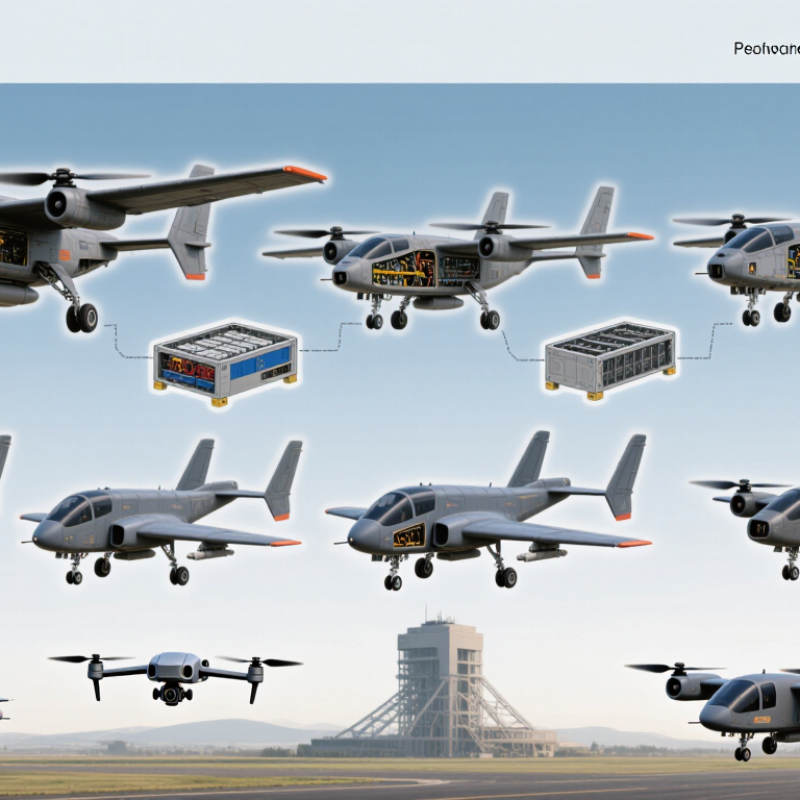
Top 10 VTOL Airframe Manufacturers for Global Buyers

How VTOL Airframes Work and What Buyers Need to Know

VTOL airframes work by balancing lift, control, weight, and energy across several flight phases. Multirotor designs use separate rotors for vertical lift and directional control. Tiltrotor and lift-plus-cruise layouts shift loading between rotors and wings. That transition creates the hardest engineering problem. The airframe must resist vibration, torque, thermal expansion, and repeated landing loads. Buyers should inspect spar materials, battery-enclosure protection, crashworthiness, corrosion control, and access for maintenance. Small details matter.

Energy remains a serious constraint. The International Energy Agency’s Global EV Outlook 2024 reported an average lithium-ion battery-pack price of 139 dollars per kilowatt-hour in 2023. Aircraft systems still demand higher safety margins than road vehicles. Buyers should request usable, not nominal, energy figures. They should also review reserve requirements, payload at hot-weather conditions, and battery replacement assumptions. A 2018 Roland Berger industry forecast estimated up to 160,000 commercial air taxis by 2050, but that projection remains uncertain. Forecasts can age badly. The FAA’s 2024 powered-lift rule also shows that certification and operations are developing together, not separately. Ask manufacturers for substantiated test evidence, failure-mode analysis, fatigue-life data, and independent compliance records. A polished prototype is not enough. Real confidence comes from repeatable inspections, documented flight hours, and transparent limitations.

Top 10 VTOL Airframe Manufacturers for Global Buyers

How VTOL Airframes Work: Typical Maximum Cruise Speed by Configuration

VTOL airframes combine vertical lift for takeoff and landing with aerodynamic lift during forward flight. The figures shown are representative class-level values in km/h, not company-specific specifications. Buyers should also compare payload, range, energy or fuel consumption, maintenance requirements, certification status, and operating infrastructure.

Criteria for Evaluating the Top Ten VTOL Airframe Manufacturers

Evaluating the top ten VTOL airframe manufacturers requires more than comparing advertised speed or range. The Vertical Flight Society’s 2024 directory listed more than 900 electric VTOL concepts and projects worldwide. That crowded field makes evidence essential. Buyers should verify completed flight tests, logged hours, prototype configuration, and independent test records. Rendered aircraft are not operational aircraft.

Certification readiness deserves the highest weighting. Review alignment with applicable powered-lift rules, structural substantiation, software assurance, and documented safety processes. EASA’s 2024 Annual Safety Review reported zero fatal accidents in European commercial air transport during 2023. VTOL programs should pursue comparable discipline, although the operating risks differ. Ask for test-campaign findings, not polished claims.

Very important.

Payload performance must be measured under realistic conditions. Check usable payload after batteries, reserves, crew, weather limits, and passenger equipment. Also examine range at high temperature, crosswind tolerance, noise levels, and landing-site requirements. A useful scorecard can assign 30% to certification, 25% to safety engineering, and 20% to manufacturing maturity. The remaining points should cover support, lifecycle cost, and mission fit.

Manufacturing evidence includes production-rate plans, supplier redundancy, quality audits, and repair access near intended routes.

NASA’s advanced air mobility planning documents repeatedly identify infrastructure, community acceptance, and operational integration as deployment barriers.

A manufacturer with excellent aerodynamics may still struggle with charging access or parts availability. I would not trust a ranking built only on investment raised or media attention. That method is convenient, but weak.

Profiles of Ten Leading VTOL Airframe Manufacturers Worldwide

Global VTOL airframe manufacturing now spans established aerospace groups and focused engineering firms. A North American manufacturer is known for composite fuselages, modular cabins, and extensive flight-test programs. A European producer emphasizes low-noise rotors, efficient structures, and certification planning. An East Asian company often combines compact airframes with automated production lines. Its strength is consistency, although published delivery forecasts may change.

A Middle Eastern manufacturer develops rugged platforms for hot, dusty environments. Engineers typically test landing gear, cooling systems, and battery enclosures under severe conditions. A Scandinavian builder prioritizes cold-weather performance, lightweight materials, and simplified maintenance access. A South Asian manufacturer offers adaptable airframes for training, inspection, and short-range transport. Its practical layouts appeal to operators, but supply-chain depth deserves careful review. A Southeast Asian producer focuses on affordable prototypes and regional assembly. Buyers should examine production evidence rather than rely on attractive concept images.

An Australian manufacturer contributes long-range design experience and strong remote-area testing. A Central European specialist concentrates on digital modeling, structural optimization, and rapidly replaceable components. A Latin American producer develops airframes suited to uneven runways and limited service infrastructure. These ten profiles show different manufacturing philosophies, not identical levels of maturity. Buyers should compare verified flight hours, payload data, repair procedures, and independent certification progress. I would also question impressive range claims when wind, reserve power, and passenger weight are unclear. That caution is useful.

Comparing VTOL Designs, Payloads, Ranges, and Operating Costs

Global buyers should compare VTOL airframe manufacturers by mission, not brochure claims. The leading ten designs usually fall into three groups: multicopters, lift-plus-cruise aircraft, and tiltrotors. Multicopters offer simple control and low purchase costs, but their battery range often remains limited. Lift-plus-cruise models travel farther with fixed wings. Tiltrotors may provide strong range and speed, yet their mechanical systems demand closer inspection. Payload changes everything.

A useful comparison records payload, usable range, reserve energy, and operating cost under identical conditions. A 10-kilogram payload can reduce electric flight time sharply in cold weather or strong wind. Published ranges often assume light payloads, new batteries, and calm air. Real weather matters. Hybrid systems may extend range, but fuel, engine servicing, and noise add expenses. Buyers should request flight-test data, battery-cycle records, maintenance intervals, and spare-part pricing before signing a purchase agreement.

Operating cost includes more than energy consumption. Technicians, software support, insurance, charging equipment, landing-site preparation, and scheduled component replacement can exceed the aircraft’s daily power bill. In practical evaluations, I would measure cost per mission hour and cost per delivered kilogram. That comparison exposes weak assumptions. Some airframes appear efficient until downtime is included. A compact aircraft may carry less, but its simpler maintenance could support more flights each week. Still, payload estimates can change after certification or equipment upgrades, so procurement teams should leave a realistic performance margin.

How Global Buyers Can Select and Procure a VTOL Airframe

Selecting a VTOL airframe begins with the mission, not the brochure. Define payload, endurance, operating altitude, landing surface, weather limits, and transport dimensions. A platform designed for coastal wind may perform poorly in dry, dusty regions. Small details matter.

Global buyers should request verified flight-test records, structural data, maintenance schedules, and clear configuration drawings. Check the airframe’s materials, corrosion protection, power-system interfaces, and payload attachment points. Ask how repairs are handled after a hard landing. Ask again. Supplier references should include comparable climates and operating cycles, not only impressive demonstrations.

Procurement also requires practical compliance planning. Confirm import documents, airworthiness responsibilities, radio approvals, insurance requirements, and local service capability before signing a contract. Review warranty exclusions carefully. A low purchase price may hide expensive tooling, specialist training, or long replacement times. Sample production units where possible, then inspect workmanship, fasteners, wiring access, and documentation consistency. Our early shortlist was too narrow because we focused on endurance figures. That was a mistake. Real procurement depends on support, evidence, and predictable ownership costs. Leave room for independent testing and a revised specification.

Top 10 VTOL Airframe Manufacturers for Global Buyers - How Global Buyers Can Select and Procure a VTOL Airframe
Rank Anonymized Manufacturer Profile Primary Market Region VTOL Airframe Configuration Typical Maximum Take-Off Mass Typical Useful Payload Energy and Propulsion Architecture Typical Endurance or Range Development and Certification Position Procurement Strength Recommended Buyer Due Diligence
1 Profile 01
Established electric VTOL airframe developer
North America Multirotor and lift-plus-cruise platforms Up to approximately 600 kg Approximately 50–150 kg Battery-electric motors with distributed propulsion; some platforms use a separate cruise propeller Approximately 30–160 km, depending on payload and weather Prototype to production-intent Strong engineering documentation and systems-integration capability Confirm battery cycle life, thermal management, flight-control redundancy, and local maintenance support
2 Profile 02
Commercial unmanned VTOL specialist
Europe Fixed-wing VTOL with vertical lift rotors Approximately 25–150 kg Approximately 5–40 kg Battery-electric or hybrid-electric propulsion with autonomous flight control Approximately 80–500 km Operational systems available Suitable for mapping, inspection, security, and logistics missions Check BVLOS approvals, command-and-control link performance, recovery procedures, and software update policy
3 Profile 03
Heavy-lift industrial VTOL manufacturer
East Asia Heavy multirotor and coaxial-rotor configurations Approximately 300–2,000 kg Approximately 100–800 kg Battery-electric, hybrid-electric, or fuel-powered rotor systems Approximately 20–150 km for electric systems; higher for hybrid systems Application-specific certification High lifting capacity for cargo, agriculture, construction, and emergency response Validate structural fatigue data, payload-center-of-gravity limits, engine or battery sourcing, and export documentation
4 Profile 04
Regional cargo VTOL platform developer
Middle East Lift-plus-cruise and tilt-propeller airframes Approximately 500–3,000 kg Approximately 100–1,000 kg Hybrid-electric propulsion with electric lift motors and a combustion or turbine range extender Approximately 300–1,000 km Flight-test and certification preparation Longer-range cargo potential without relying exclusively on battery energy density Review engine integration, fuel logistics, noise limits, emergency landing performance, and certification basis
5 Profile 05
Autonomous logistics airframe supplier
Asia-Pacific Fixed-wing VTOL with modular cargo compartment Approximately 50–250 kg Approximately 10–80 kg Electric VTOL motors with a fixed-wing cruise propeller Approximately 100–800 km Pilot programs and commercial deployments Modular payloads and lower operating cost for remote delivery routes Assess route authorization, landing-zone requirements, cargo security, fleet-management software, and spare-parts lead time
6 Profile 06
Advanced air-mobility airframe developer
North America Distributed electric propulsion with fixed lift and cruise motors Approximately 1,500–3,500 kg Approximately 400–1,000 kg, including occupants or mission equipment Battery-electric propulsion with multiple independent motor controllers Approximately 80–250 km under planned passenger or utility missions Type-certification development Designed around high-redundancy architectures and structured certification programs Verify certification schedule, reserve-energy policy, pilot or remote-operator requirements, and battery replacement cost
7 Profile 07
Compact urban and surveillance VTOL builder
Europe Multirotor and compact tilt-rotor airframes Approximately 10–100 kg Approximately 2–25 kg Battery-electric propulsion with autopilot and optional ground-control station Approximately 15–100 km Commercially available configurations Fast deployment, relatively simple infrastructure, and flexible payload integration Check wind limits, weather protection, battery transport compliance, cybersecurity controls, and operator training
8 Profile 08
Special-mission VTOL airframe integrator
North America Modular multirotor and compound VTOL aircraft Approximately 100–1,000 kg Approximately 25–300 kg Electric or hybrid-electric propulsion with mission-specific payload interfaces Approximately 50–400 km Operational in selected government and industrial roles Strong payload integration for inspection, emergency response, and public-safety missions Request interface-control documents, electromagnetic-compatibility test results, data ownership terms, and export-control screening
9 Profile 09
Cost-focused agricultural and utility VTOL producer
East Asia Heavy multirotor airframes with interchangeable tanks, spreaders, or cargo mounts Approximately 50–300 kg Approximately 20–150 kg Battery-electric propulsion; some heavy platforms use fuel engines or hybrid systems Approximately 10–80 km per mission cycle Series-production models available Competitive acquisition price and broad accessory compatibility Confirm regional radio approvals, chemical-material compatibility, corrosion protection, warranty coverage, and consumables availability
10 Profile 10
Research-led hydrogen or hybrid VTOL developer
Australia and Oceania Fixed-wing VTOL and lift-plus-cruise airframes Approximately 100–1,500 kg Approximately 20–400 kg Hydrogen fuel-cell, hybrid-electric, or other range-extending propulsion architectures Approximately 200–1,500 km, subject to fuel-storage and payload constraints Demonstration to pre-commercial Potentially longer endurance and lower cruise energy consumption than battery-only systems Evaluate fuel availability, storage certification, ground-handling procedures, fire safety, and long-term serviceability
Procurement note: Payload, range, endurance, certification status, and maximum take-off mass vary by configuration, operating environment, and regulatory jurisdiction. Global buyers should request current technical data sheets, conformity records, flight-test evidence, warranty terms, lifecycle-cost models, and written confirmation of export and import eligibility before placing an order.

Login