Why Choose Automatic Tool Changer for Your Manufacturing Needs?
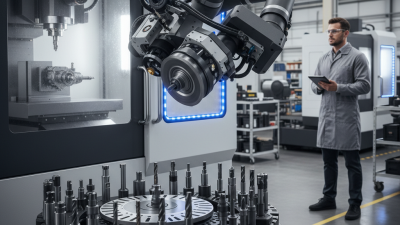
In the dynamic world of manufacturing, efficiency is key. An automatic tool changer (ATC) can significantly enhance productivity. By minimizing downtime, it allows machines to switch tools quickly, reducing manual intervention. This technology streamlines operations that depend on multiple tools and processes, making it invaluable for diverse tasks.
Consider the impact of an ATC on workflow. For instance, a machine that can shift from drilling to milling in seconds can drastically speed up project completion. However, the implementation of ATCs comes with challenges. Proper training is vital, and the initial setup might require careful planning. Ignoring these aspects can lead to inefficiencies.
Choosing an automatic tool changer can transform manufacturing strategies. It brings reliability and precision, but it’s not without its hurdles. Balancing the benefits and potential pitfalls is essential for manufacturers. Each decision should be made with thorough consideration of operational needs and capabilities.
Understanding the Functionality of Automatic Tool Changers
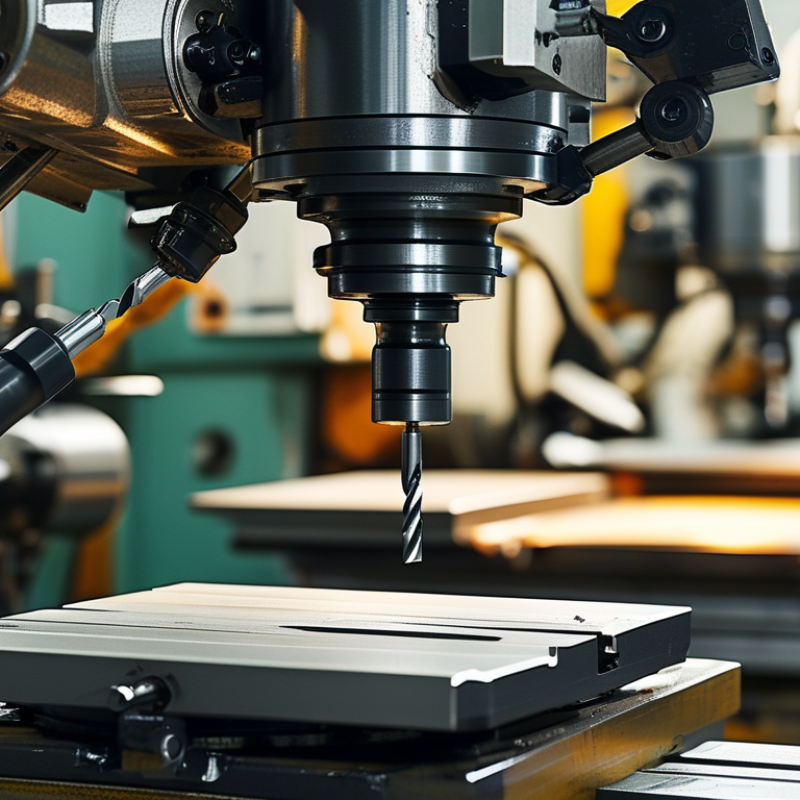
Automatic Tool Changers (ATCs) play a crucial role in modern manufacturing processes. These devices allow machines to switch tools automatically without manual intervention. This significantly enhances productivity and reduces downtime. With an ATC, manufacturers can better manage their workflows and respond quickly to production changes.
When selecting an ATC, consider compatibility with your machinery. Not all tool changers fit every machine type. Understanding the size and weight of the tools you use will also impact your choice. An improperly matched tool changer can lead to frequent errors and costly delays.
Tips for effective implementation: Regular maintenance is vital. Inspect the ATC frequently to avoid wear and downtime. Ensure proper calibration to guarantee precision. Automation should not replace human oversight but enhance it. Mistakes can happen, and operators must stay alert to catch issues early.
Incorporating ATCs may seem straightforward, but challenges exist. Training staff to use these systems effectively can take time. Some may resist new technology. Open communication and hands-on demonstrations can foster acceptance and streamline the integration process.
Key Advantages of Automatic Tool Changers in Manufacturing
Automatic Tool Changers (ATCs) are revolutionizing the manufacturing sector. They streamline operations by allowing machines to switch between different tools quickly. This minimizes downtime, which is crucial for productivity. In today's fast-paced environment, every second counts. By integrating ATCs, manufacturers can respond swiftly to changing demands.
One notable advantage of ATCs is their ability to enhance precision. Automated tool switching reduces human error associated with manual changes. Each tool can be calibrated accurately, leading to improved product quality. Even small inconsistencies can lead to significant setbacks. However, implementing ATCs requires a solid understanding of the machinery involved. Some users may face challenges during the learning curve.
Another benefit of ATCs is flexibility. With the ability to handle multiple tools, manufacturers can diversify their production lines. However, it necessitates careful planning and adaptation. Not every machine can support ATCs, which may limit options initially. Evaluating compatibility and integration can be complex. Manufacturing teams must weigh these aspects before fully committing to automation.
Comparative Analysis: Automatic vs. Manual Tool Changing Systems
When examining automatic versus manual tool changing systems, efficiency stands out. Automatic systems offer rapid tool changes, significantly reducing downtime. They can switch tools in mere seconds, allowing for continuous production. In contrast, manual systems often require more time and labor. Operators must physically change tools, which can lead to delays.
Precision is another critical factor. Automatic tool changers enhance accuracy through consistent, repeatable movements. This reliability minimizes human error, ensuring that parts are machined accurately. Manual systems introduce variability, as human skills can differ. Additionally, the risk of tool damage increases with manual handling.
Cost is an important consideration. While automatic systems may have a higher initial investment, they often prove to be cost-effective in the long run. Reduced labor costs and increased production speed can offset the initial expense. Manual systems, while cheaper to implement, may incur more costs through inefficiencies and increased error rates. Adopting the right system can ultimately enhance productivity and improve the bottom line.
Selecting the Right Automatic Tool Changer for Your Operations
Selecting the right automatic tool changer (ATC) is crucial for enhancing manufacturing efficiency. When considering an ATC, assess the specific needs of your operations. Factors such as the type of machinery, the tools in use, and production volume play significant roles. Analyzing these elements helps prevent mismatches that could hinder productivity.
Additionally, compatibility with existing equipment is essential. Not all ATCs fit well with every machine. Understanding the technical specifications of your setup helps narrow down choices. An underperforming tool changer can lead to delays and increased costs. Reflecting on past experiences can guide your selection process.
Reliability is another critical factor. A robust automatic tool changer must withstand daily use. Seek systems that promise durability and performance. Sometimes, overlooking smaller components can lead to bigger issues. Investing time in research now can save costs and headaches later on. Utilize feedback from peers and industry experts to ensure informed choices.
Future Trends in Automatic Tool Changing Technology and Applications
The landscape of automatic tool changing technology is rapidly evolving. Manufacturers are beginning to embrace advancements that enhance productivity and efficiency. Intelligent systems are at the forefront. They can now predict tool wear, minimize downtime, and optimize machining processes. Integration with intelligent manufacturing systems shows promise in boosting overall operational efficiency.
Emerging applications are shifting the focus toward collaborative robots. These robots work seamlessly with automatic tool changers for enhanced flexibility. They allow for more intricate tasks and complex part handling. Future trends indicate an increased reliance on data-driven insights. This will help in the selection and replacement of tools based on real-time data, rather than using static schedules.
However, not all implementations have been flawless. Some manufacturers face challenges in integrating these technologies into existing systems. The initial investment can deter smaller operations, and they may question the return on investment. It's crucial to weigh the benefits against potential risks and to consider how automation aligns with long-term production goals. The journey into automatic tool changing will have its ups and downs.