How to Choose the Right Industrial Collaborative Robots for Your Needs?
Choosing the right industrial collaborative robots is crucial for businesses aiming to enhance productivity. These robots, known for their ability to work alongside human operators, offer versatility in various applications. However, selecting the most suitable robot can be challenging. Factors such as compatibility with existing systems, ease of programming, and safety features must be considered.
Many businesses overlook the importance of understanding their specific needs. Every production line is unique, and not all industrial collaborative robots are the same. Misalignment can lead to underperformance. An ideal choice minimizes downtime and maximizes efficiency. By investing time in thorough research, companies can mitigate risks.
In an ever-evolving industrial landscape, it’s essential to reflect on the future needs of your operations. Technology is advancing rapidly, and today's choice may not fit tomorrow’s demands. Fostering a mindset of adaptability is key. Ultimately, the right industrial collaborative robots can transform workflows and drive innovation, but careful consideration is paramount.

Key Factors to Consider When Selecting Industrial Collaborative Robots
Selecting the right industrial collaborative robot (cobot) is crucial for optimizing productivity. Key factors include
payload capacity,
ease of programming, and safety features. According to industry reports, nearly
60% of manufacturers cite
compatibility with existing systems as a priority when choosing a cobot. This ensures seamless integration into production lines.
Tip: Assess your specific workflow requirements before selection. Consider the tasks the cobot will perform. If the tasks are repetitive and require precision, a robot with a
high payload might be necessary.
Another important aspect is training. A user-friendly interface accelerates the onboarding process. Research shows that companies see a decrease in training time by up to
40% with intuitive programming tools. Assess your team’s technical capabilities. A steep learning curve may lead to delays in implementation.
Tip: Consider the long-term support and updates offered. Regular updates can enhance functionality and security. Companies must reflect on their future needs. Will the robot adapt to new tasks? Ensuring
flexibility in your choice is fundamental for future growth.
Understanding Different Types of Collaborative Robots Available in the Market
Collaborative robots, or cobots, have gained significant traction in various industries. They are designed to work alongside humans, enhancing efficiency and safety. Understanding the different types of cobots available can help guide your decision.
There are primarily three categories of collaborative robots: light payload, medium payload, and heavy payload. Light payload cobots typically handle tasks up to 5 kg. They are perfect for assembly and packaging tasks. Medium payload cobots, handling between 5 kg and 10 kg, are often used in automotive applications. Heavy payload cobots can manage loads over 10 kg, suitable for heavy manufacturing scenarios. According to the International Federation of Robotics, the market for collaborative robots is expected to grow by over 38% annually until 2025.
Additionally, features can vary significantly among cobots. Some cobots are designed with advanced sensors, enabling them to detect human presence and automatically adjust their actions. Others may offer programming flexibility, allowing operators to customize tasks easily. However, not all cobots are equally user-friendly. Training may be required for efficient implementation and operation. Understanding how these features align with your operational needs will be key to successful integration.
Assessing Your Production Needs and Workflow for Optimal Robot Fit
When selecting industrial collaborative robots, understanding your production needs is crucial. Assessing your workflow helps identify opportunities for automation. Begin by analyzing production tasks that are repetitive and time-consuming. These tasks are prime candidates for automation, enhancing efficiency.
Tips: Document your workflow. This step provides clarity on areas needing improvement. Engage your team in discussions, as their insights are invaluable. Recognize that not all tasks are suited for automation. Some might require human oversight or interaction.
Consider the layout of your workspace. Collaborative robots should integrate seamlessly. If your production area is congested, the robot's mobility and safety features become essential. Evaluate the types of objects the robot will handle. Different payload capacities can impact the selection process.
Involve your employees in the initial assessments. They may identify needs that management overlooks. Also, remain open to adjustments after implementing the robots. Continuous feedback can lead to optimization and greater overall productivity. Prioritize flexibility; a robot that can adapt to multiple tasks may offer better long-term value.
Evaluating Cost vs. Benefits in Choosing Collaborative Robotics Solutions
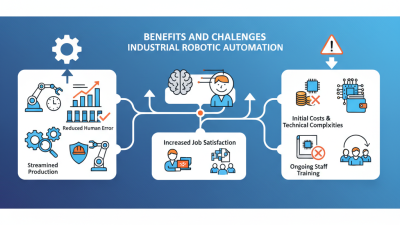
When evaluating collaborative robotics solutions, cost and benefits play a crucial role. There are many factors to consider. First, analyze the upfront costs of purchasing these robots. Initial investment can be high, but understanding long-term savings is essential. Consider operational efficiencies these robots can bring to your production line.
Maintenance costs must also be factored in. Regular servicing is necessary for optimal performance. Are you prepared to handle this? Evaluate your workforce's adaptability as well. Training may be required, adding to overall expenses. Yet, well-trained staff can significantly reduce errors and enhance productivity.
Finally, examine the return on investment (ROI). How quickly can you expect to recoup your costs? Effective metrics can help measure performance improvements. Gathering data from your operations will provide clearer insights. This level of analysis may reveal gaps in your initial assumptions. Reflecting on these elements ensures you make an informed decision that aligns with your specific needs.
How to Choose the Right Industrial Collaborative Robots for Your Needs?
| Criteria |
Low-End Model |
Mid-Range Model |
High-End Model |
| Initial Cost ($) |
5,000 |
15,000 |
25,000 |
| Annual Maintenance Cost ($) |
500 |
800 |
1,200 |
| Average Lifetime (years) |
4 |
6 |
8 |
| Payload Capacity (kg) |
5 |
10 |
20 |
| Ease of Integration |
Basic |
Moderate |
Advanced |
| Typical ROI (years) |
2 |
1.5 |
1 |
Integration and Scalability: Planning for Future Industrial Automation Needs
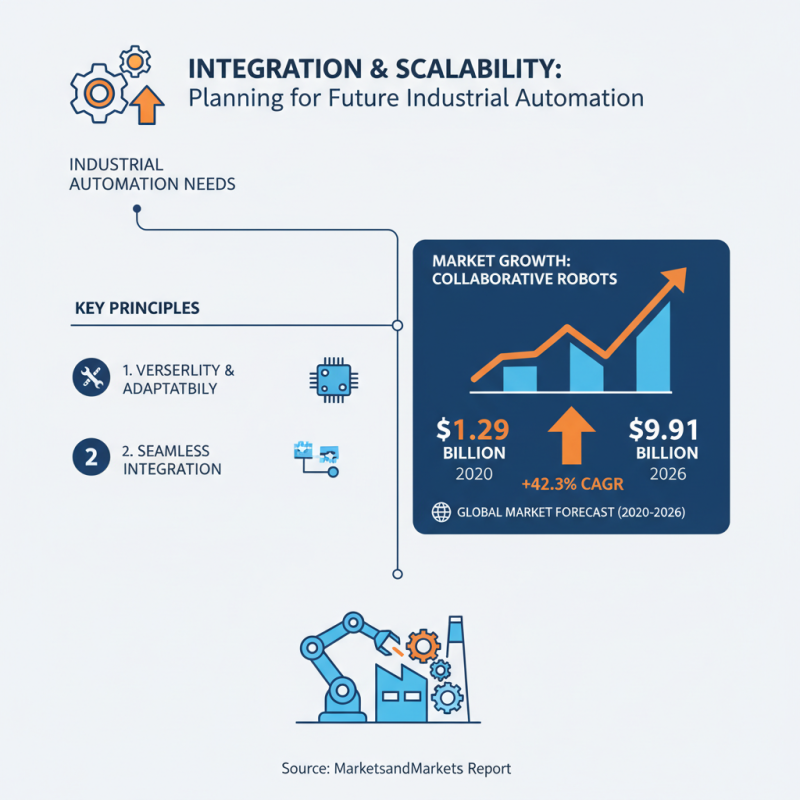
When considering industrial collaborative robots, integration and scalability are vital. Increasingly, manufacturers seek solutions that are versatile and adaptable. According to a report from MarketsandMarkets, the global collaborative robot market is expected to grow from $1.29 billion in 2020 to $9.91 billion by 2026, reflecting a compound annual growth rate of 42.3%. This rapid growth indicates that businesses prioritize scalability in their automation strategies.
A key aspect of planning for future needs is evaluating how robots blend with existing systems. Collaborative robots (cobots) must seamlessly integrate with traditional machinery while remaining adaptable for new technologies. Experts suggest using open architecture systems. This approach allows for easier updates and modifications. Studies show that companies focusing on scalable systems experience a 25% increase in operational efficiency. However, some organizations struggle with the initial investment and technical training.
Considering these challenges is essential. A poorly planned integration can lead to inefficiencies. A lack of training can hinder productivity. Reports indicate that companies should allocate 15% of budgets for ongoing employee training in automation technologies. This commitment ensures that businesses maximize their collaborative robot investments over time.