How to Navigate the Automation Industry in 2026?
The automation industry is rapidly evolving, creating both excitement and uncertainty. By 2026, advancements in technology will shape how businesses operate. Companies must adapt to changes or risk being left behind.
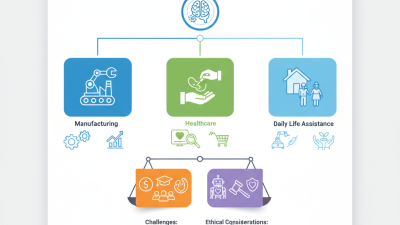
Understanding the landscape is essential. With new tools emerging, professionals need to assess their skills continually. Industry trends suggest a shift towards AI and robotics. These changes bring both opportunities and challenges. One must consider ethical implications and workforce impacts.
Navigating this industry requires foresight and adaptability. Keeping up with innovations is crucial. However, many may find themselves overwhelmed. Those who embrace change while remaining aware of potential pitfalls will thrive. Engaging with ongoing training and workforce discussions can build resilience in this dynamic environment.
Understanding the Landscape of the Automation Industry in 2026
The automation industry in 2026 presents a rapidly evolving landscape characterized by emerging technologies and changing job roles. A wide array of advancements in artificial intelligence and robotics is reshaping how businesses operate. These technologies are automating tasks that were once considered complex and exclusive to human workers. Companies are now scouting for professionals who can bridge the gap between human skills and machine efficiency.
Understanding this environment is crucial for anyone looking to thrive. New careers are emerging, but traditional roles are also being redefined. Workers must enhance their technical skills, focusing on software that drives automation. Yet, there are challenges. Not everyone is prepared for these changes. Many professionals need training, and there is often a disconnect between current skill sets and industry demands.
Networking plays an essential role in navigating this industry. Connecting with peers and mentors can provide valuable insights. However, risks in this evolving space exist. Misalignment between technology advancement and workforce readiness can lead to unemployment. Not every individual will find their place easily. The path to success in automation requires continuous learning and adaptability. Understanding the dynamics of this landscape can empower professionals to make informed decisions.
Automation Industry Trends in 2026
Key Technologies Shaping Automation: Trends and Innovations
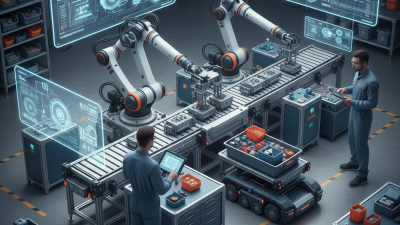
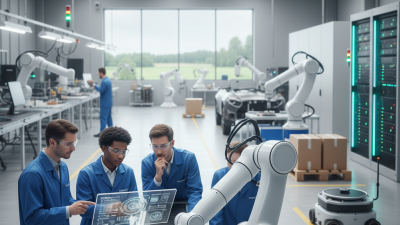
In 2026, the automation industry is heavily influenced by advanced technologies. Robotics continues to evolve, integrating artificial intelligence for smarter operations. Collaborative robots, or cobots, work alongside humans, enhancing productivity and safety. These technologies require ongoing evaluation to ensure they meet the specific needs of various sectors.
Machine learning plays a significant role in automation innovation. It analyzes vast amounts of data, predicting trends and optimizing processes. However, this reliance on data can lead to challenges. Companies must address data privacy concerns and bias in algorithms. Effective strategies are essential to safeguard against these pitfalls.
Edge computing is revolutionizing how data is processed. By processing information closer to the source, it reduces latency and improves real-time decision-making. This trend is critical for industries requiring immediate responses. Nevertheless, implementing edge solutions can be complex and may require reevaluation of existing infrastructure. Companies must stay agile and responsive to navigate these changes successfully.
Skills Required for Success in the Evolving Automation Job Market
As we approach 2026, the automation industry is rapidly evolving. Job seekers must possess specific skills to remain competitive. According to the World Economic Forum's Future of Jobs Report, by 2026, 85 million jobs may be displaced due to automation. However, 97 million new roles are expected to emerge, emphasizing the importance of adaptability.
Technical skills like programming and data analysis are crucial. A report by McKinsey notes that demand for software development skills will increase by 25% in the next few years. Understanding AI and machine learning will also be vital. Yet, soft skills are equally important. Communication and critical thinking will define successful candidates in this competitive landscape.
The workforce will need to continually learn and upskill. A significant 54% of employees will require new skills by 2026, as stated in the LinkedIn Workforce Learning Report. However, many workers face challenges in accessing quality training. This gap presents a hurdle for those aiming to thrive in the automation sector. Continuous reflection on personal growth will be essential for long-term success.
Strategies for Businesses to Implement Automation Effectively
In 2026, navigating the automation industry will demand a detailed understanding of various strategies. Businesses must prioritize identifying clear goals before implementation. This step helps in aligning automation solutions with overall objectives. For instance, a company might aim to reduce operational costs or enhance productivity. Defining specific targets offers a roadmap for success.
Training employees is another critical aspect. Automation tools can streamline processes, but without proper guidance, staff may struggle. A well-structured training program can elevate employee confidence. It creates a culture of adaptability. Should something go wrong, teams can adjust more easily. Furthermore, encouraging feedback from employees can spotlight areas needing improvement.
Lastly, it’s essential to recognize that not all automation efforts yield immediate results. Initial setbacks can frustrate teams. However, reflecting on these challenges provides valuable insights. Businesses should remain open to iteration. Over time, this approach will lead to more effective automation practices. Embracing both successes and failures will ultimately strengthen the organization’s position in the industry.
Navigating Ethical and Regulatory Challenges in Automation in 2026
As automation technology continues to advance, ethical and regulatory challenges become increasingly complex. Companies face difficult decisions about transparency and accountability. In 2026, navigating these issues will be crucial for success.
Understanding the ethical implications of automation is essential. Potential job displacement raises questions about fairness. Workers may feel threatened by automation. Companies should clearly communicate their intentions. Open dialogue with employees fosters trust and encourages collaboration. Create platforms for feedback to ensure all voices are heard.
Regulatory requirements will evolve. Businesses must stay informed about new laws. This includes data privacy and AI usage. Ignoring regulations can lead to severe penalties. Joining industry groups can provide valuable insights. These networks can help interpret regulations and share best practices. Regularly review compliance to avoid surprises.
Consider how your automation strategies impact society. Pursuing profit is vital, but ethical considerations cannot be overlooked. A well-rounded approach can build a positive reputation. Embrace the challenge of being both innovative and responsible. The road ahead is not easy, but thoughtful navigation can lead to sustainable growth.