In 2026, manufacturers are evaluating robot tool changers with greater care. The central question is not simply which system is fastest. It is whether the equipment remains accurate, safe, and serviceable after thousands of cycles. An automatic tool changer robot can support machining, welding, assembly, inspection, and material handling. However, each application creates different demands. A machining cell may prioritize rigidity and chip resistance. A packaging line may need lighter tools and faster exchange times. Small details matter. This guide examines the leading automatic tool changer robot types, including pneumatic, electric, rotary, rack-mounted, and dual-gripper designs. These categories overlap, and their performance depends heavily on integration quality.
The discussion will connect robot type with payload, tool weight, flange geometry, cycle time, sensing, and maintenance access. Tool weight matters. So does recovery. A reliable design needs clear sensor feedback, secure locking, and practical access for cleaning. Evidence should come from manufacturer documentation, verified testing, and operating experience rather than attractive specifications alone. In practice, published cycle times may not include alignment checks, tool verification, or operator intervention. That difference can affect production planning. Some comparisons remain imperfect. A factory with oil mist, metal chips, or frequent tool changes may reject a system that performs well in a clean laboratory. This guide therefore presents practical strengths, limitations, and selection questions instead of declaring one universal winner. That uncertainty is useful.
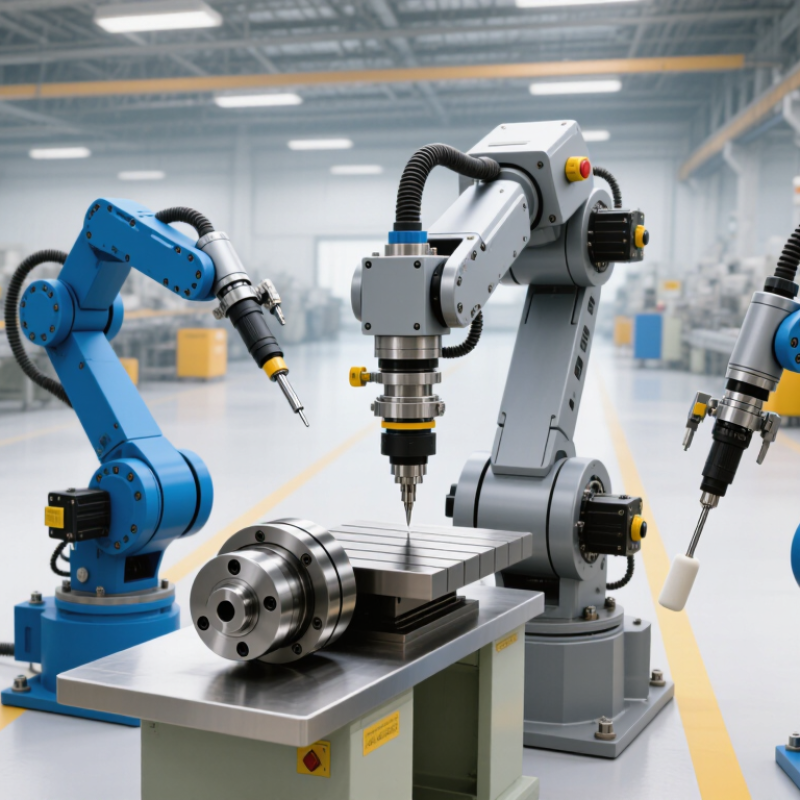
An automatic tool changer robot is a robotic system that selects, removes, and installs tools without manual intervention. It usually combines a robot arm, a tool holder, a storage rack, and a controller. The controller checks each tool’s position, identification, and operating status. During a change, the robot moves to a safe location, releases the current tool, and picks up another one. The process can take seconds.
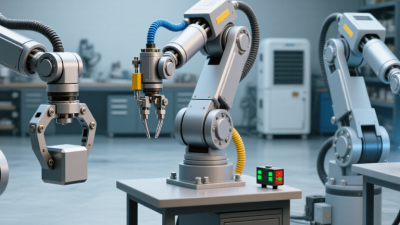
Several automatic tool changer robot types serve different production needs. A rack-based changer stores tools in fixed slots near the robot. It is simple to inspect and suitable for varied tool sizes. A carousel changer holds tools in a rotating circular magazine, saving floor space. A pneumatic changer uses compressed air for quick clamping, while an electric system can provide detailed position feedback. Some systems combine a compact robot arm with a spindle-mounted changer for drilling, cutting, polishing, or assembly tasks.
Real-world performance depends on more than speed. The tool connection must resist vibration and maintain repeatable alignment. Dust, coolant, and small chips can cause incomplete locking. That risk is easy to underestimate. Operators should check gripping force, tool wear, sensor accuracy, and emergency stops during scheduled maintenance. A practical installation also needs clear access around the storage area. Even advanced systems may struggle with damaged holders or inconsistent tool loading. Careful testing remains necessary before continuous production.
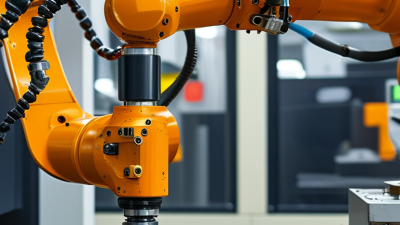
Automatic tool changer robots combine a robot arm, spindle, tool magazine, and control system. Their main purpose is simple: change tools without manual intervention. Common configurations include carousel magazines, linear racks, and compact side-mounted holders.
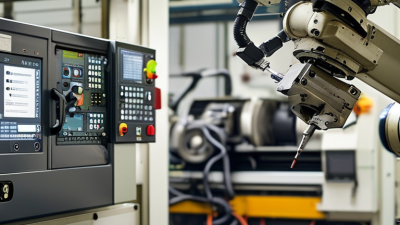
The process starts when the controller sends the robot to a safe tool-change position. The spindle stops and releases the current tool through a pneumatic, hydraulic, or electric mechanism. The robot then places that tool into an empty holder. Next, it approaches the selected tool, checks its position, and locks it into the spindle. Sensors confirm clamping force, tool presence, and magazine alignment before machining resumes.
In practical production cells, these checks prevent expensive mistakes. A small chip on the taper can cause runout, vibration, or poor surface quality. Calibration also matters. Even a strong robot can miss its holder after repeated thermal changes. No system is truly hands-off. Operators still inspect grippers, clean contact surfaces, and review alarm records.
The weak point is often not the robot itself. It is an unclear recovery procedure after a failed change. A well-designed cell should stop safely, identify the missing tool, and allow controlled recovery. I have found that slower verification can improve uptime when tool damage would otherwise spread across several parts. Accuracy comes from the whole system, not from speed alone.
Top Automatic Tool Changer Robot Types in 2026
In 2026, pneumatic automatic tool changers remain popular for fast industrial robot cells. They use compressed air to lock and release tools quickly. These units suit welding, palletizing, gripping, and material handling tasks. Their simple structure supports easy maintenance, even in dusty workshops. However, air leaks can reduce clamping force and increase operating costs.
Electric automatic tool changers offer precise control and useful feedback. Sensors can confirm tool presence, locking position, and connection status. They work well with inspection cameras, screwdrivers, dispensers, and sensitive assembly tools. Electric models also reduce dependence on factory air systems. They may require better cable management. That detail is often overlooked. Rotary changers support several tools in one compact assembly, while rack-mounted systems provide broader tool storage. The right choice depends on payload, cycle frequency, and available space.
Heavy-duty hydraulic changers serve demanding applications involving large cutting heads or lifting equipment. Modular changers are another practical option for robots that change end effectors frequently. During field testing, engineers should check repeatability after thousands of cycles, not only during installation. Dust, vibration, and imperfect alignment can affect performance. A theoretical load rating may look impressive but fail under side forces. Safety sensors, mechanical locking, and scheduled inspection remain essential. Some systems still need manual cleaning more often than expected.
The chart compares common robot configurations used with automatic tool changers by their typical number of controlled axes. Six-axis articulated and collaborative robots provide the greatest tool orientation flexibility, while SCARA, delta, and Cartesian robots are commonly selected for faster or more specialized handling tasks.
Automatic tool changers will remain central to 2026 robot cells, especially where one arm handles several production steps. Pneumatic changers suit welding, gripping, and machine tending. Electric versions support sensors, screwdrivers, and precision inspection tools. Hydraulic systems serve heavier machining and casting tasks. Modular interfaces matter when every minute of downtime affects output.
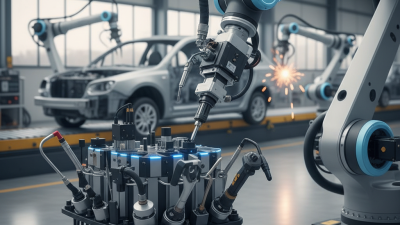
Industrial demand is substantial. The International Federation of Robotics reported 541,302 industrial robot installations worldwide in 2023. Its World Robotics 2024 report also recorded a global operational stock exceeding four million units. These figures explain why tool-changing systems are moving beyond automotive assembly. In electronics plants, robots can switch from micro-grippers to cameras within one cycle. In metalworking, an arm may exchange a drill, deburring spindle, and measurement probe beside a warm machine door.
Food packaging and warehouse automation require different priorities. Washdown-resistant changers, lightweight couplings, and reliable pneumatic lines reduce contamination risks and unnecessary handling. The International Federation of Robotics reported global robot density at 162 units per 10,000 manufacturing employees in 2023. Higher density increases the value of flexible tooling, but not every application needs a complex changer. That is easy to overlook. A poorly selected interface can add weight, reduce reach, and create alignment faults. Field experience suggests checking payload, cycle frequency, connector protection, and manual recovery procedures before selecting a 2026 robot type. Human operators still need clear access when the cell stops unexpectedly.
| Automatic Tool Changer Robot Type | Typical Payload Range | Typical Tool Change Time | Primary Utility | Key Advantages | Typical Applications | Best-Fit Production Environment |
|---|---|---|---|---|---|---|
| Pneumatic Automatic Tool Changer | 10–500 kg | 1–5 seconds | Compressed air | Simple construction, fast actuation, high availability, and relatively low purchase cost. | Material handling, palletizing, machine tending, welding, grinding, and assembly. | Factories that already have reliable compressed-air infrastructure and frequent tool changes. |
| Electric Servo Tool Changer | 5–250 kg | 2–8 seconds | 24 VDC or industrial power | Precise locking feedback, programmable control, reduced air consumption, and easy integration with digital diagnostics. | Precision assembly, inspection, dispensing, electronics handling, collaborative workcells, and flexible manufacturing. | Smart factories requiring condition monitoring, traceability, and low pneumatic infrastructure. |
| Hydraulic Automatic Tool Changer | 100–1,000+ kg | 3–10 seconds | Hydraulic pressure | High clamping force, strong resistance to shock loads, and suitability for large or heavy end-of-arm tooling. | Heavy material handling, foundry operations, forging, large-part machining, and structural component processing. | Heavy-duty production lines where tool mass and impact loads exceed pneumatic capabilities. |
| Rotary Multi-Tool Changer | 5–150 kg | 1–4 seconds | Pneumatic or electric | Stores several tools in a compact rotating assembly and minimizes robot travel between tool exchanges. | Multi-step welding, surface finishing, drilling, fastening, adhesive dispensing, and inspection. | High-mix cells where one robot must perform several operations within a compact footprint. |
| Linear Rack-Mounted Tool Changer | 10–400 kg | 2–8 seconds | Pneumatic or electric | Scalable storage capacity, straightforward access, and flexible layout for multiple dedicated tools. | Automotive body assembly, machine tending, packaging, cutting, sanding, and tool-intensive fabrication. | Large workcells with several tools, long production cycles, or changing product configurations. |
| Dual-Gripper Automatic Changer | 20–500 kg | 1–6 seconds | Pneumatic or electric | Allows the robot to release one tool and pick up another in a coordinated sequence, reducing idle time. | Machine loading and unloading, bin picking, packaging, assembly, and rapid part-to-tool transitions. | High-throughput cells where minimizing non-value-added robot movement is a priority. |
| Utility-Integrated Tool Changer | 5–300 kg | 2–7 seconds | Air, power, signal, fluid, or vacuum | Transfers multiple utilities through one interface, reducing loose hoses and simplifying end-of-arm tooling changes. | Welding, vision inspection, vacuum handling, adhesive application, machining, and process automation. | Complex robotic cells that require rapid connection of electrical, pneumatic, hydraulic, vacuum, or process-fluid lines. |
Selecting a robot tool changer starts with the task, not the catalog. Define payload, torque, cycle rate, reach, and tool frequency. Start with the load. A pneumatic changer suits many factory cells because it is simple, fast, and easy to maintain. However, it needs clean, stable air and careful locking verification.
Electric tool changers work well when the cell requires controlled power, data transfer, or flexible utilities. They can support smart monitoring, but their wiring and software require more planning. Hydraulic versions may handle demanding force applications, although leakage control and maintenance deserve serious attention. Magnetic systems offer quick engagement for selected lightweight tools. They are not universal solutions.
Check flange compatibility, allowable moment, repeatability, and connector capacity. A changer should not only carry the tool. It must resist vibration during acceleration and emergency stops. Include sensors that confirm locked and unlocked states. Test the worst-case tool, not the easiest one. That detail matters.
Environmental conditions also influence the choice. Dust, coolant, heat, and frequent washdown can reduce service life. Review replacement procedures before approval. If operators need special access, the design may be technically correct but practically poor. A small oversight can create repeated downtime. The best selection balances performance, safety, maintenance effort, and future tool expansion. Perfect predictions are rare, so document assumptions and revisit them after real production data arrives.