Top Robotics Applications in China that Global Buyers Want?
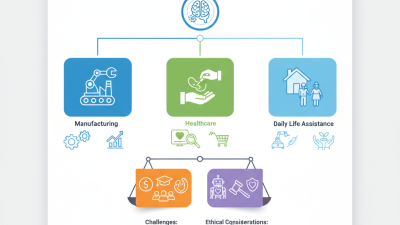
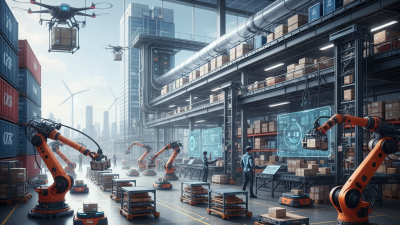
China has emerged as a leader in robotics applications, attracting global buyers' interest. The nation's technological advancements and innovative solutions have revolutionized various industries. Robotics applications in manufacturing, healthcare, and logistics are particularly significant.
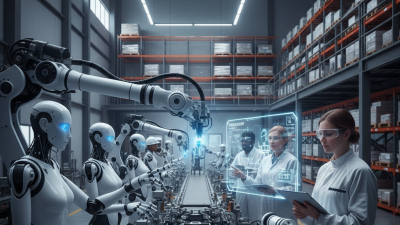
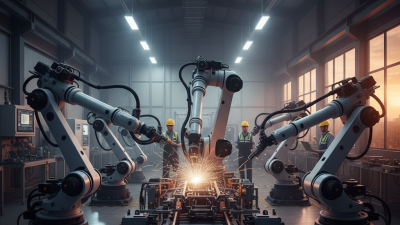
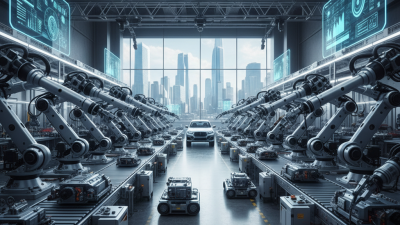
Manufacturing robots enhance production efficiency. They reduce human error and increase output. Companies are increasingly investing in automation to stay competitive. In healthcare, robotic surgeries offer precision and improved patient outcomes. This evolution in medical robotics is transforming treatment possibilities.
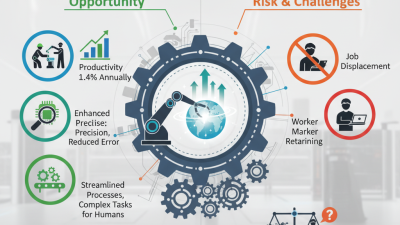
Logistics, another key area, benefits from automation in warehousing and distribution. However, challenges remain, such as workforce displacement and ethical concerns. Buyers are drawn to China's robotics applications for their potential but must reflect on broader implications. The landscape is dynamic, and discerning global buyers will weigh benefits against complexities.

Emerging Trends in Robotics Applications Across China
The robotics landscape in China is rapidly evolving, showcasing diverse applications that attract global interest. According to the International Federation of Robotics (IFR), China is the world's largest market for industrial robots, with a projected growth rate of around 20% annually. Automation in manufacturing, healthcare, and logistics has seen significant advancements. The demand for collaborative robots, known as cobots, is particularly notable. These robots work alongside human operators, enhancing productivity and safety.
Moreover, the rise of AI technology integrates seamlessly with robotics, fostering innovative applications. For instance, robots equipped with AI algorithms can analyze vast amounts of data, improving decision-making processes. According to a report by McKinsey, companies that adopt AI in their robotics solutions can potentially increase revenues by 30% within five years. However, this shift brings challenges, such as the need for skilled workers who can operate and maintain advanced robotic systems.
Tip: Stay updated with the latest trends and reports in robotics. Attend industry seminars and workshops to deepen your understanding.
The trend towards personalized and autonomous service robots is also notable. In sectors like retail and hospitality, robots now provide tailored assistance, enhancing customer experience. Yet, reliance on automation raises concerns about job displacement. Robotics companies must navigate these complexities, balancing innovation with social impact.
Tip: Consider the ethical implications of robotics in your business decisions. Engage with stakeholders to address concerns around automation.
Top Robotics Applications in China
Key Robotics Sectors Attracting Global Buyers
In recent years, China has emerged as a global leader in the robotics sector. Many international buyers are attracted to specific areas, particularly in manufacturing, healthcare, and logistics. Manufacturing robots are increasingly being adopted to enhance precision and efficiency in production lines. These robots help reduce labor costs and improve quality control.
Healthcare is another thriving sector for robotics. Surgical robots are changing how procedures are performed. They allow for minimal invasiveness and quicker recovery times for patients. Yet, the high cost of these technologies can raise accessibility concerns.
Logistic robots are also gaining traction, especially in warehouses. They can manage inventory and streamline delivery processes. However, integrating these systems with existing workflows can be challenging.
Chinese robotics companies are pushing innovation, but not without hurdles. The competition is fierce, and many products must meet stringent safety and quality standards. Buyers need to consider the long-term support provided by sellers. Rapid developments in technology require continuous updates to maintain relevance. International collaboration will be key to overcoming these challenges and maximizing the potential of robotic applications in China.
Innovative Chinese Robotics Companies Shaping the Industry
China is becoming a global hub for robotics innovation. The increasing demand for automation in various industries pushes local companies to develop cutting-edge technologies. A recent report from the International Federation of Robotics indicates that the Chinese robotics market is expected to reach $71 billion by 2025. This surge is fueled by advancements in AI, machine learning, and IoT integration.
Several Chinese companies are leading this transformation. They are creating hardware and software solutions tailored for manufacturing, logistics, and healthcare. In 2022, around 20% of global industrial robots were shipped to China. Many of these innovative firms are focusing on collaborative robots, or cobots, which directly interact with human workers. These robots enhance productivity but also raise concerns about job displacement.
Despite rapid growth, challenges remain in regulatory frameworks and technology transfer. Many start-ups face hurdles in scaling their operations effectively. Collaboration with international partners could enhance their capabilities. As these companies continue to reshape the landscape, global buyers must consider the balance between innovation and potential industry disruptions.
Impact of Government Policies on Robotics Development in China
China's government plays a crucial role in the development of robotics. Recent policies encourage investment in automation technologies. According to a report by the International Federation of Robotics, China's industrial robot market grew by 26% in 2022. This surge is partly due to supportive government initiatives, aiming to boost productivity and innovation. The Made in China 2025 plan highlights automation as a priority sector, demonstrating the government's commitment.
Moreover, funding from various national programs has expanded robotics applications in industries like manufacturing, healthcare, and agriculture. In 2021, the Chinese government allocated over $1 billion to support research in robotics. This funding assists startups and established companies alike, fostering a competitive environment. Challenges remain, though. Some companies struggle to meet the fast-evolving technology demands. Others face stiff competition in global markets.
The government's role is vital, yet it poses questions. While policies aim for rapid advancement, they can also lead to market saturation. Balancing investment and innovation is crucial for sustained growth. As China's robotics sector matures, global buyers watch closely, seeking reliable partnerships in this dynamic landscape.
Top Robotics Applications in China that Global Buyers Want
| Application |
Market Demand (USD Million) |
Growth Rate (%) |
Government Support Level |
| Industrial Automation |
12000 |
15 |
High |
| Service Robots |
5000 |
20 |
Medium |
| Healthcare Robotics |
8000 |
25 |
High |
| Agricultural Robotics |
3000 |
30 |
Medium |
| Logistics Robots |
7000 |
18 |
High |
Future Prospects for Robotics Solutions in Global Markets
The future of robotics solutions in global markets is promising. As China leads in robotic innovations, global buyers seek advanced solutions. Industries like manufacturing, logistics, and healthcare are tapping into robotics. Automation improves efficiency and reduces errors, making processes faster. The decreasing cost of robotics technology promotes wider adoption across sectors.
However, challenges remain. Not all businesses can integrate robotics seamlessly. Cultural differences and varying market needs affect implementation. Buyers must consider local contexts before committing to solutions. Collaboration with local experts can bridge the gap in understanding.
Tips: Research the latest trends in robotics. Stay updated on innovations that fit your industry. Consider scalability when evaluating robotic solutions. Engage with local professionals to gain insights into your market. Embrace adaptability; your needs may evolve over time.