What Are the Top Types of SCARA Robots?
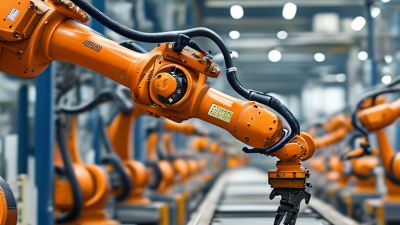
A SCARA robot can place a component, tighten a screw, or move a small part between two fixtures in a fraction of a second. Its horizontal-arm motion suits fast, repeatable assembly, while its vertical axis handles pick-and-place tasks. Yet “SCARA” covers several configurations, not one universal machine. Common distinctions include tabletop and floor-mounted models, four-axis and six-axis variants, and units designed for cleanroom or high-payload work.
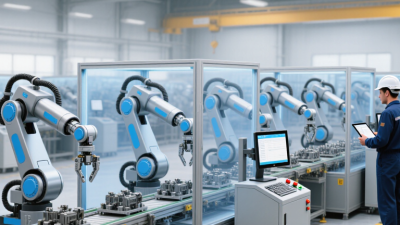
The International Federation of Robotics reported 541,302 industrial robots installed worldwide in 2023, with 4,281,585 operating in factories. These figures describe industrial robots broadly, not SCARA robots alone. That distinction matters. Buyers should compare cycle time, reach, payload, accuracy, controller compatibility, and workspace—not rely on market-growth headlines. A robot that looks compact on a specification sheet may still need careful guarding and integration around a real production line.
As robotics researcher Dr. Sami Haddadin has emphasized in public discussions of robotics, safe and useful automation depends on designing systems around human needs. This is a paraphrase, not a verbatim quotation. For SCARA selection, that idea means checking access, maintenance, and operator interaction alongside speed. Small details count. A cable route can obstruct a tool; a poorly placed feeder can erase cycle-time gains. This guide compares the top SCARA robot types and explains where each one fits, while noting that published performance figures may not predict results on your specific line.
SCARA Robot Fundamentals and Defining Features
SCARA Robot Fundamentals and Defining Features
SCARA means Selective Compliance Assembly Robot Arm. Its joints typically allow movement across a horizontal plane, while the vertical axis stays comparatively rigid. This combination suits tasks such as inserting pins, placing components, and assembling small parts. The arm can move quickly between nearby workstations. Its footprint is often compact, though reach and payload depend on the model.
A typical SCARA has two rotary joints, a vertical slide, and a rotating tool flange. The horizontal joints provide compliance for delicate fitting; the vertical axis supplies stiffness during pressing. That difference matters. A SCARA is not universally better than a six-axis robot: its motion is less flexible, but its simpler path can make repeated planar work efficient. IFR’s World Robotics 2024 report counted 541,302 industrial robots installed worldwide in 2023. That figure covers all industrial robot types, not SCARA robots alone, so it should not be read as SCARA market share.
Tips: Check the part’s dimensions, required reach, payload, and cycle time before selecting a robot. Watch a dry run. A cable snag or awkward tool angle can undermine an otherwise fast cycle. Also consider guarding, operator access, and the accuracy needed at the end effector. Real production setups can be messier than a clean demonstration.
Four-Axis SCARA Robots for High-Speed Assembly
What Are the Top Types of SCARA Robots?
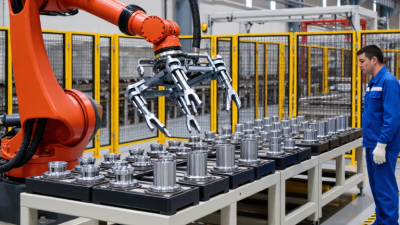
Four-axis SCARA robots are widely used for high-speed assembly because their movement is fast, repeatable, and compact. Two horizontal rotary joints position the arm across the work surface. A vertical axis controls insertion height. The fourth axis rotates parts during placement.
In practical assembly cells, these robots can pick small components, apply controlled force, and place parts into housings. A properly tuned system may complete short moves in fractions of a second. However, speed depends on payload, reach, tooling, and motion distance. A heavier gripper can quietly reduce performance. Repeatability also matters more than headline cycle time when holes are narrow or connectors are delicate.
Tips: Match the robot’s payload rating to the complete tool and part weight. Keep cables secured and balanced. Use vision when part orientation varies. Test acceleration gradually, because aggressive settings may create vibration or dropped components.
A good installation begins with real production samples, not only catalog figures. Measure the pickup point, insertion depth, and required force. Then check whether the work envelope leaves enough clearance around fixtures. I have seen fast robots lose time because operators added awkward handoffs later. The design looked efficient on paper, but the cell needed better access for maintenance. That detail is easy to miss. Calibration should also be repeated after tooling changes, even when the robot appears to return accurately.
Six-Axis SCARA Robots for Flexible Manipulation
A conventional SCARA robot is valued for fast, repeatable movement across a horizontal work area. A six-axis configuration adds wrist rotation and greater approach flexibility, helping a tool reach angled surfaces or handle parts from varied orientations. The terminology can be fuzzy: “six-axis SCARA” may describe a hybrid design, not a universally standardized robot category. Check the manufacturer’s axis layout and motion diagrams before comparing specifications. The distinction matters.
For assembly, a six-axis design can place a connector into a tilted housing, then rotate a screwdriver without repositioning the workpiece. It may also help when a compact cell needs more reach angles than a typical SCARA provides. But extra joints can add programming effort and affect cycle time. The International Federation of Robotics reported 541,302 industrial robot installations worldwide in 2023, with 4.28 million robots operating in factories. These figures describe industrial robots broadly, not six-axis SCARA units specifically; they show the wider automation context, not proof that one configuration suits every task.
Tips: Map the part’s approach angles and cable routing before choosing an arm. Test real parts, not only CAD models. A small wrist collision can erase the expected flexibility. Measure repeatability, reach, payload, and cycle time together; optimizing only for speed can be a mistake.
Cleanroom and Specialized SCARA Robots for Precision Industries
What Are the Top Types of SCARA Robots?
Cleanroom and specialized SCARA robots serve precision industries where dust, vibration, or temperature changes can affect product quality. Cleanroom models use sealed joints, low-particle materials, and carefully managed lubrication. Their smooth covers are easier to wipe down. Small details matter.
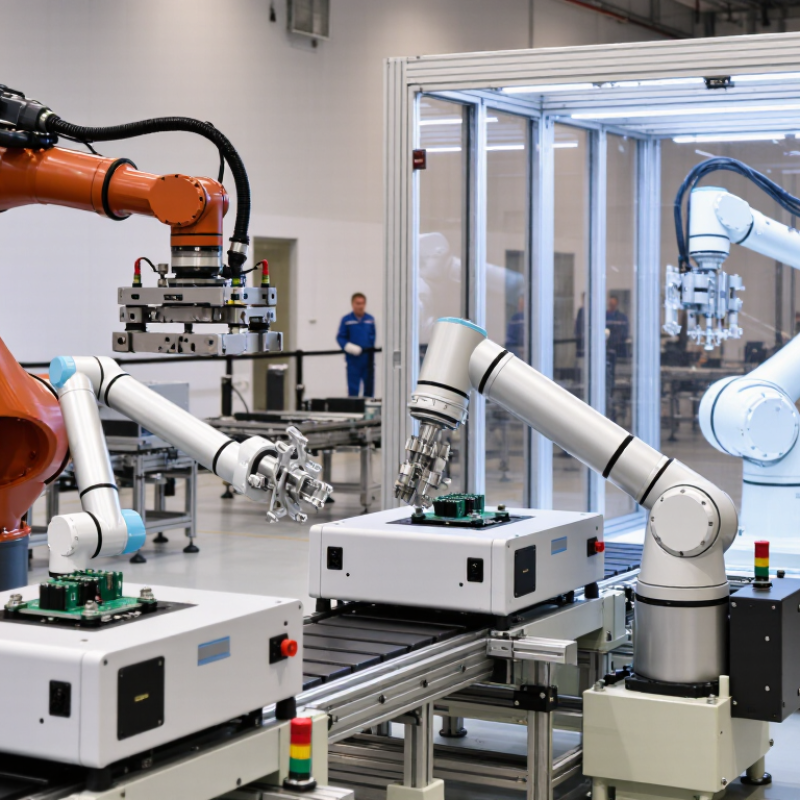
In electronics assembly, a cleanroom SCARA robot may place delicate components onto a circuit board under controlled airflow. In medical-device production, it can move parts between trays without touching critical surfaces. Some models also support washdown or chemical-resistant environments, but these features are not interchangeable. Check the actual cleaning agents and exposure conditions before selecting equipment.
Specialized versions may include longer arms for wider work areas, compact bodies for crowded cells, or added protection for sensitive processes. Accuracy depends on more than the robot itself. Tooling, mounting rigidity, payload, and cycle speed all affect repeatability. A heavier end effector can reduce performance. That gets overlooked.
Before choosing a model, define the required cleanliness level, reach, payload, and placement tolerance. Review maintenance access and particle-control documentation with the supplier. Published specifications are useful, but real production trials can reveal awkward cable routing or unexpected settling time. No robot is perfectly suited to every cleanroom. The right choice depends on the process and how consistently the cell is maintained.