Why Are Robotic Solutions Important for Global Buyers?
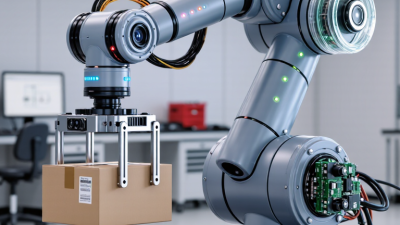
Global buyers are rethinking how products move, assemble, and reach customers. Robotic solutions now support these decisions with measurable speed, consistency, and traceability. A robotic arm can place electronic components within millimeters, while automated guided vehicles move sealed cartons across a warehouse floor. These details matter when labor costs fluctuate, orders arrive unpredictably, and customers expect reliable delivery. However, automation is not a universal shortcut. A solution that succeeds in a German factory may require different safety controls, training, or maintenance support in Brazil or Vietnam.
Experienced buyers examine more than equipment specifications. They review supplier certifications, software compatibility, cybersecurity practices, spare-part availability, and local technical assistance. They also ask practical questions: Can operators stop the system safely? How quickly can a failed sensor be replaced? Will the robot connect with existing enterprise software? Independent testing, transparent performance data, and documented case studies can make those answers more trustworthy. Yet projected savings often look better on paper than in daily operations. Unexpected integration work, staff training, and production pauses can weaken the original business case. That is why responsible purchasing includes pilot projects, clear acceptance criteria, and long-term service agreements. Robotic solutions become genuinely valuable when they improve human work, protect operational reliability, and adapt to regional requirements rather than forcing every facility into one rigid model. The technology is impressive. The decision still needs judgment.
The Role of Robotic Solutions in Global Business
Why Are Robotic Solutions Important for Global Buyers?
The Role of Robotic Solutions in Global Business
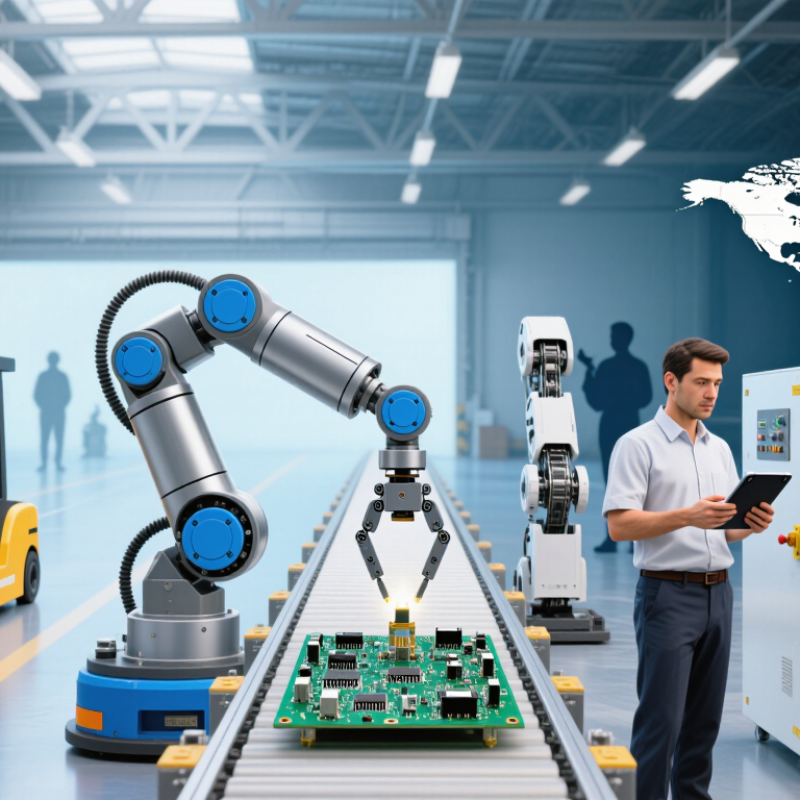
In global business, robotic solutions are no longer limited to large factories. They help buyers manage repetitive tasks, labor costs, and stricter delivery expectations. A robotic arm can place components with steady pressure, while mobile units move sealed cartons across a warehouse. These details matter when an order crosses several borders. Consistent handling can reduce damage, rework, and avoidable delays. Yet automation is not a magic switch. Good results depend on site layout, worker training, maintenance access, and reliable data.
From practical deployment experience, buyers should assess the complete operating environment, not only cycle speed. A system may perform well in a demonstration but struggle with dust, temperature changes, or mixed product sizes. Testing real materials is essential. Ask for measurable data on uptime, accuracy, energy use, safety controls, and service response. Clear documentation helps teams compare suppliers across regions. Local technicians and spare-part planning can protect production when a component fails. Small gaps become expensive.
Robotic solutions also reshape cooperation between global offices. Shared performance data can reveal bottlenecks in one facility and useful methods in another. Managers gain a clearer basis for capacity planning and quality reviews. Employees may shift from lifting and sorting to inspection, programming, and process improvement. That transition needs patience. Some training plans look complete on paper, yet leave night-shift workers behind. Buyers should listen to operators, revise workflows, and measure results after installation. A modest pilot often exposes inconvenient truths before a larger investment.
Key Benefits for International Buyers
International buyers often evaluate robotic solutions through cost, reliability, and long-term support. For them, automation is not only about faster production. It can create more consistent handling, inspection, packing, and material movement across international facilities. A robotic system can repeat the same motion thousands of times, even during a night shift. That consistency matters when products must meet strict quality requirements.
The benefits become clearer in daily operations. Robots can reduce repetitive strain for workers and support safer task allocation. They may also improve production records through sensors, software logs, and measurable cycle times. Buyers can compare output across locations with greater confidence. In a warehouse, for example, automated movement can shorten travel between storage racks and packing stations. This may help control labor pressure and respond to seasonal demand without rebuilding the entire workflow.
However, robotic adoption requires careful judgment. A system chosen without studying floor space, product variation, maintenance skills, and local regulations can create expensive delays. No system is perfect. International buyers should request practical performance data, installation requirements, training plans, and service response details before signing an agreement. Compatibility with existing equipment is equally important. A lower purchase price may hide integration costs, spare-part delays, or difficult software updates. Buyers also need clear cybersecurity practices and transparent data handling. In my experience, the strongest results come from phased testing, honest communication, and measured improvement rather than unrealistic promises.
How Robotic Systems Support Different Industries
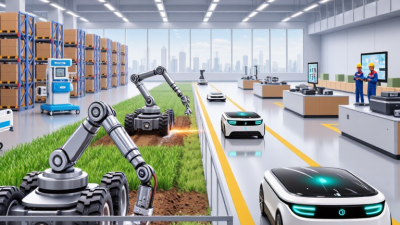
Robotic systems now support many industries by handling repetitive, precise, or physically demanding work. In manufacturing plants, robotic arms can weld frames, place components, and inspect surfaces with steady accuracy. Sensors detect position changes before small defects become costly failures. Experienced technicians still adjust tools and review inspection data. Machines reduce strain, but they do not replace practical judgment.
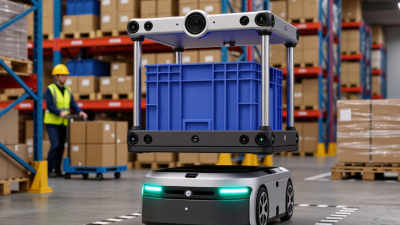
Warehouses use mobile robots to move cartons between storage areas and packing stations. This can shorten walking time and improve order tracking during busy seasons. In agriculture, robotic equipment can monitor soil conditions, remove weeds, or collect delicate produce. Healthcare facilities also use autonomous systems to transport medicine, linens, and meals through long corridors. Quiet movement matters there. A noisy machine may disturb patients or create unnecessary stress.
Global buyers should examine more than speed and purchase price. A reliable system needs clear safety controls, accessible maintenance, compatible software, and trained local operators. Construction robots may perform well indoors but struggle on uneven ground or in heavy rain. That limitation is easy to overlook. Integration can also take longer than expected, especially when older equipment uses different data formats. Careful trials, measurable performance targets, and honest feedback usually reveal whether automation fits the workplace. Sometimes the best solution is a smaller robotic system, not a larger one.
Factors Global Buyers Should Evaluate
Robotic solutions matter because global buyers need stable output, safer workflows, and measurable productivity. Yet purchasing decisions should begin with the work, not the machine.
The International Federation of Robotics reported 541,302 industrial robots were installed worldwide in 2023. Operational stock reached approximately 4.28 million units. These figures show market scale, not suitability. Buyers should measure cycle time, payload, reach, accuracy, floor space, and product variation. Watch one complete shift. A robot that performs well in a demonstration may struggle with dust, glare, or irregular parts. In many factory assessments, poor fixturing costs more than the robot itself.
Integration deserves equal attention. Check interfaces with conveyors, sensors, warehouse software, and existing safety systems. Request documented uptime, recovery procedures, spare-parts availability, and technician response times. The World Robotics 2024 report shows strong adoption across electronics, automotive, and metal industries. Their requirements differ sharply. A generic specification is risky. Cost evaluation must include programming, guarding, training, energy, maintenance, and downtime. The World Economic Forum’s Future of Jobs Report 2023 states that 44% of workers’ core skills may change by 2027, while six in ten workers may need training. Plan operator training before installation. Measure payback under conservative demand assumptions. No pilot is perfectly representative. That weakness should be documented, not hidden.
Why Are Robotic Solutions Important for Global Buyers?
Regional installation volumes show where automation demand is concentrated. When evaluating robotic solutions, global buyers should compare productivity gains, labor availability, system integration, safety compliance, total cost of ownership, service coverage, and scalability.
Data source: International Federation of Robotics, World Robotics 2024. Regional figures are rounded estimates for newly installed industrial robots in 2023.
Challenges in Adopting Robotic Solutions Worldwide
Robotic solutions can improve consistency, safety, and production capacity, but global buyers face difficult adoption decisions. A machine that performs well in one factory may struggle elsewhere. Power standards, floor layouts, climate conditions, and operator skills can vary widely. The gap is real.
Integration is often the hardest part. Older equipment may lack suitable data interfaces, while new robots require reliable sensors, software, and maintenance routines. Buyers should examine cycle times, spare-part access, training needs, and cybersecurity before signing a purchase agreement. A practical site assessment should include floor measurements, process videos, and interviews with operators. That evidence is more useful than impressive demonstrations.
Workforce acceptance also matters. Employees may worry about job changes or unsafe interactions with moving equipment. Clear training and carefully designed work zones can reduce these concerns. Local regulations create another challenge, especially when machines cross borders or operate in different industries. Documentation, risk assessments, and emergency procedures must be adapted to each location. Service response can become expensive when technical support is far away. Plan for that.
Not every task deserves automation. Some businesses overestimate savings because they ignore integration delays, software updates, and unplanned downtime. A limited pilot can reveal weak assumptions before a full rollout. It may also expose problems no sales presentation shows. Buyers should measure results honestly, including failed tests, operator feedback, and maintenance hours. Progress is rarely perfectly smooth.